
Review · COFFEE EXPERIENCES
Coffee Workshop
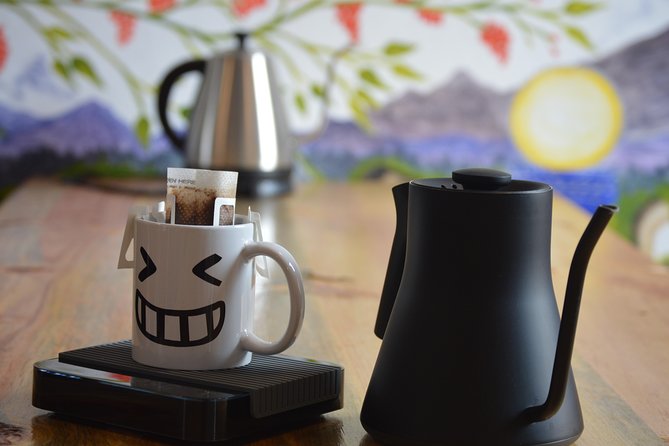
Coffee tells Guatemala’s story one cup at a time. This small Antigua workshop connects specialty coffee with local history, farming regions, and the practical work behind a good brew. I like the focus on tasting two beans prepared in two different ways, and I like that the workshop can go ahead even with only one person booked. The main drawback is the fixed, non-refundable booking policy, so you need to be sure of your plans.
The session takes place at the Centro de Formación de la Cooperación Española in La Antigua Guatemala, beginning at 9:00 a.m. I also appreciate the patient teaching style praised in the feedback, especially the mention of Mario, who explains coffee with clear enthusiasm. There is no pickup service, and the meeting place is close to the colonial travel agency, so confirm the exact location the day before.
In This Review
- Key points at a glance
- Why this Antigua coffee workshop is worth your morning
- Arriving at the Centro de Formación de la Cooperación Española
- Learning the eight coffee regions of Guatemala
- Comparing specialty coffee with commercial coffee
- How the extraction lesson helps you at home
- The tasting: two beans, two ways to brew
- What the small group size changes
- Is $60 a fair price for 90 minutes?
- Who will enjoy this experience most?
- Practical advice before you book
- Should you book this Antigua coffee workshop?
- FAQ
- Where does the coffee workshop take place?
- What time does the workshop begin?
- How long does the workshop last?
- How much does the workshop cost?
- What is included?
- Is food included?
- How many people can join the workshop?
- Can I cancel and receive a refund?
Key points at a glance
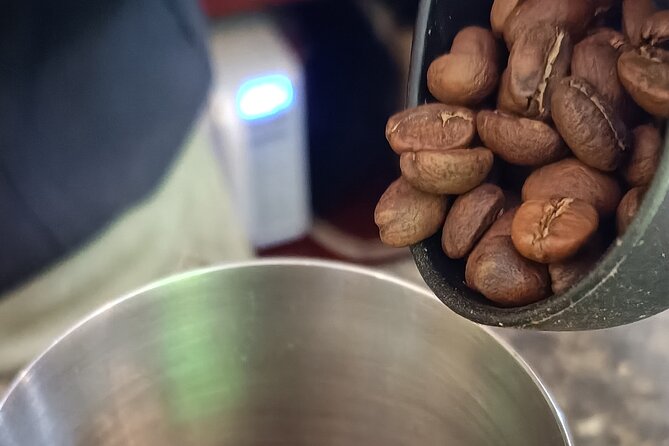
- Two beans and two brewing methods: You get a direct way to compare how coffee changes with the bean and extraction process.
- Guatemala’s eight coffee regions: The workshop puts your cup into a wider national context instead of treating coffee as just a breakfast drink.
- A professional barista leads the session: The instruction covers preparation, quality, marketing, and the difference between specialty and commercial coffee.
- Small group size: The workshop accepts no more than eight people, which should allow room for questions and personal guidance.
- Central Antigua meeting place: The activity is held at the Centro de Formación de la Cooperación Española, with no hotel pickup.
- A compact 90-minute format: You can fit it neatly into a morning of sightseeing, but it is not a full farm or roasting tour.
Why this Antigua coffee workshop is worth your morning
Antigua is a natural place to learn about Guatemalan coffee. The city gives you colonial streets, historic buildings, and easy access to activities that explain local traditions. This workshop adds another layer by showing how coffee connects agriculture, trade, preparation, and daily life.
I like that the session does not stop at a tasting. You learn how coffee was introduced to Guatemala, how it is marketed in the country, and why a specialty coffee is different from a commercial coffee. Those subjects matter because the price and flavor of coffee are shaped long before a barista pours hot water over the grounds.
The workshop also refers to the Company of Jesus, or Compañía de Jesús, as part of the story of coffee in Guatemala. That gives the historical portion a specific anchor in Antigua rather than leaving it as a broad, memorized account of the country’s past.
You should expect a teaching session rather than a plantation visit. There is no stated farm walk, roasting demonstration, or meal included. If you want to see coffee plants and processing buildings, you will need a different activity. If you want a focused introduction to the subject in the middle of Antigua, the shorter format works well.
More Workshops in Antigua Guatemala
- Authentic Guatemalan Cooking Class in Antigua
★ 5.0 · 438 reviews - Bean-to-Bar Chocolate Workshop in ChocoMuseo Antigua
★ 5.0 · 353 reviews - Guatemalan Cooking Class & Market Tour
★ 5.0 · 213 reviews
Arriving at the Centro de Formación de la Cooperación Española
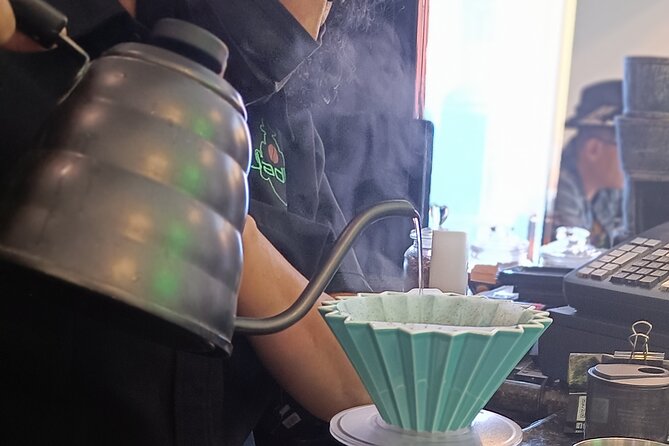
The workshop begins at 9:00 a.m. at the Centro de Formación de la Cooperación Española en La Antigua Guatemala. This is the only listed stop, so you are not moving between several sites during the 90-minute session.
That simplicity is useful. You can plan your morning around one known location, and the activity should leave plenty of time for other Antigua plans afterward. The start time is early enough to make coffee the first stop of your day, although the exact early-morning atmosphere inside the venue is not specified.
There is no pickup service. You need to make your own way to the meeting point, and the location is near the colonial travel agency. A useful practical step is to confirm the address and entrance the day before. That advice matters because a historic city can have several similarly named offices or nearby landmarks, and a coffee workshop is not much fun when you are still searching for the door at 8:55.
The activity is near public transportation, and service animals are allowed. The available information does not specify parking, hotel transfers, or detailed wheelchair access, so you should ask the provider directly if any of those points affect your plans.
Learning the eight coffee regions of Guatemala
The national overview is one of the strongest parts of the experience. Guatemala is presented through its eight coffee regions, giving you a framework for understanding why beans from different places can taste and behave differently.
The workshop does not simply tell you that Guatemala produces good coffee. It explains how coffee is grown, processed, prepared, and sold. That wider view helps you pay attention to the next cup you order in Antigua, especially when a café identifies the bean’s region or preparation method.
You will also hear how coffee was introduced to Guatemala. Linking that story with the Company of Jesus gives the history a local reference point. You are not just memorizing a date or a list of exports. You are learning how coffee became part of Guatemala’s economy and identity.
The information on marketing is equally useful. A cup of coffee reflects decisions about quality, presentation, and sale. Understanding that process can help you tell the difference between a coffee sold for its origin and preparation and a commercial coffee made for broad, consistent distribution.
This part of the session may appeal most to people who enjoy context. If you only want to drink a cup and leave, the historical and commercial discussion may feel longer than necessary. The workshop is built for people who want to know why the drink tastes and costs what it does.
Comparing specialty coffee with commercial coffee
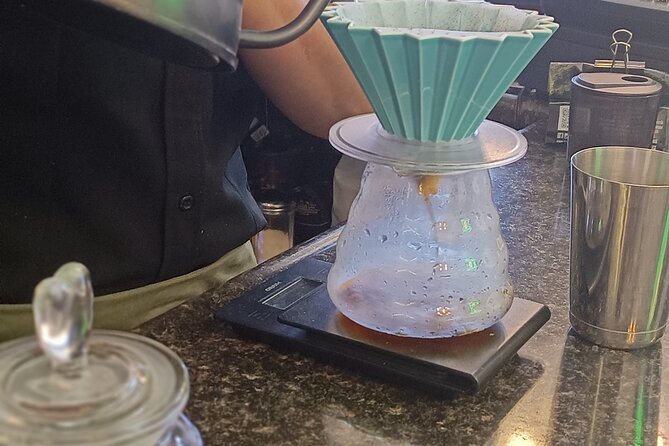
The phrase specialty coffee can sound like café jargon until someone gives you a clear comparison. Here, the barista explains the difference between specialty and commercial coffee, then lets the tasting provide a practical reference.
The distinction is important because it is easy to assume that darker, stronger, or more expensive coffee is automatically better. The workshop should help you consider other factors, including the bean, the preparation, and the care taken during extraction.
I particularly like the chance to try two different beans in two different ways. A comparison like this gives you four points of reference rather than one isolated cup. You can notice how the same basic drink changes when the bean changes, and how a brewing method can alter the result.
The provided details do not name the two beans or specify the exact equipment used. That is worth keeping in mind if you are hoping for a particular method such as pour-over, French press, or espresso. You will learn about different extraction processes, but the exact lineup may vary.
The included equipment is supplied for the workshop, and a professional barista explains the process. You do not need to bring brewing gear. You also do not need to purchase a separate tasting, since coffee tasting is included.
More coffee farm tours around Antigua:
- Antigua ATV Coffee Tour
★ 5.0 · 380 reviews - Coffee and Gastronomic Bike Tour in Antigua
★ 5.0 · 284 reviews - Coffee Tour Adventure Antigua Guatemala
★ 5.0 · 121 reviews - Experience: Organic Coffee, Avocados, Honey & More!
★ 5.0 · 101 reviews
How the extraction lesson helps you at home
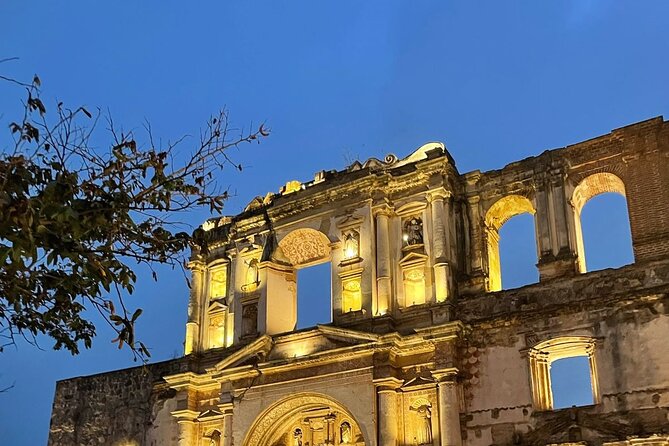
Extraction is the practical heart of the workshop. In simple terms, it is the process of drawing flavor from ground coffee with water. The barista explains different extraction processes and shows how the method affects the finished cup.
For you, the benefit is not just technical vocabulary. A better understanding of extraction can make it easier to follow café menus and choose a preparation that suits your taste. It can also help you understand why two cups made from the same general type of coffee may taste different.
The instruction is described as patient and clear, with Mario receiving particular praise for his passion and patience. That personal teaching style matters in a small workshop. You can ask a question, hear the explanation, and connect it to the cup in front of you instead of trying to absorb a large lecture.
The session is not advertised as a professional barista certification course. You should not expect advanced training or a full lesson in café operations. It is better understood as a guided introduction that gives you useful ideas for appreciating coffee and recognizing basic differences in brewing.
If you already know a great deal about extraction, the historical and cultural sections may provide more new material than the basic brewing explanation. For beginners and curious coffee drinkers, the balance should be more rewarding.
The tasting: two beans, two ways to brew
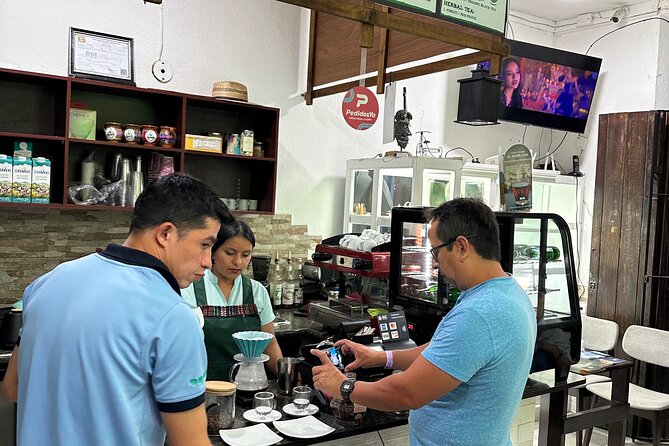
The tasting is where the workshop’s ideas become concrete. You are served specialty coffee and have the chance to compare two beans prepared by two different methods. That is a stronger approach than tasting one cup without a point of reference.
Take your time with the comparison. Notice the aroma first, then the flavor and finish. You do not need a trained palate to benefit. The barista’s explanation gives you a way to describe what you notice, even if your first comment is simply that one cup feels lighter or more intense.
The tasting also makes the discussion about coffee quality easier to understand. Instead of hearing abstract claims about excellence, you can connect them to preparation and flavor in the cup. The workshop is designed to show how a good cup is exposed and prepared, not merely to tell you that Guatemalan coffee is famous.
Food is not included. That is not a serious issue for a 90-minute morning activity, but you should plan breakfast separately if you need more than coffee. The available details do not say that snacks or a full meal are offered.
The workshop has received a five-star rating from 13 reviews, with 100 percent recommending it. That is a small sample, but the praise is consistent in the areas that matter most here: clear information, a friendly guide, patience, and the value of comparing beans and brewing methods.
What the small group size changes
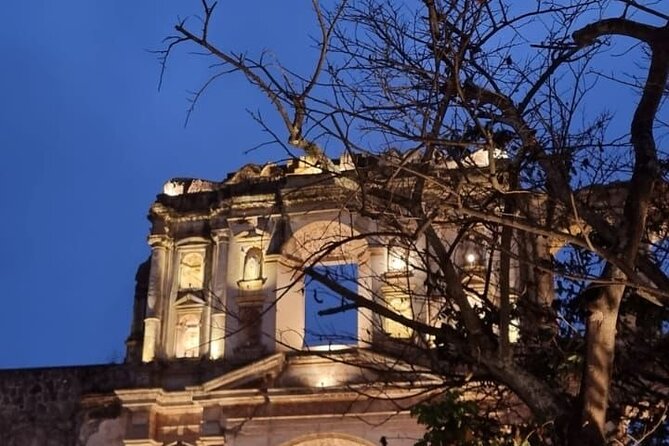
The maximum group size is eight people. That makes this more personal than a large demonstration, where you might only watch from the back and hesitate to ask questions.
A small class also gives the barista more space to explain the cup in front of you. If you are unsure why two preparations taste different, you can ask for clarification without turning the session into a formal classroom.
One useful detail is that the workshop was not canceled when only one person was booked. That is reassuring if you are visiting Antigua alone or traveling outside the busiest season. It means a solo booking may still produce a worthwhile lesson rather than an uncertain morning.
The minimum number of participants can still matter for cancellation by the provider. If the required minimum is not met, you are offered another date or experience, or a full refund. That is different from changing your own plans, which is not allowed under the stated policy.
Is $60 a fair price for 90 minutes?
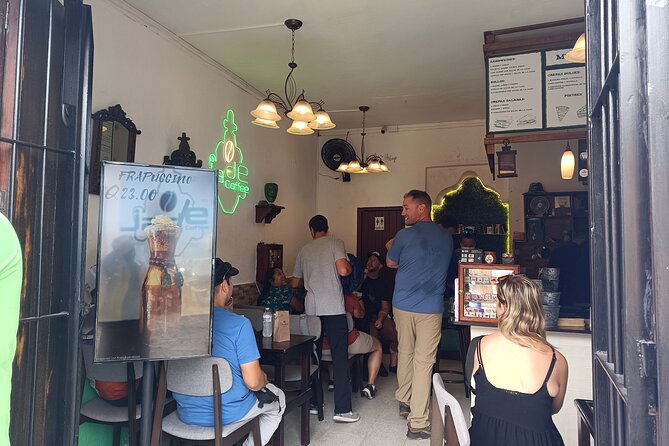
At $60 per person, this is not the cheapest way to drink coffee in Antigua. You are paying for guided instruction, specialty coffee, equipment, and a structured tasting led by a professional barista.
The value depends on what you want from the activity. If you only want a good cup, a café will cost much less. If you want to understand extraction, compare beans, learn about Guatemala’s eight coffee regions, and connect coffee with local history and marketing, the price becomes easier to justify.
The small group limit also matters. You are not paying for a crowded presentation with a quick sample at the end. The format allows for questions and a more direct exchange with the instructor, although the actual amount of individual attention will depend on the group that day.
The 90-minute duration keeps the commitment reasonable. You can spend part of the morning learning, then continue exploring Antigua. The tradeoff is that the price does not include food, transportation, a farm visit, or a broader half-day excursion.
I would consider it good value for a coffee enthusiast, a curious first-time learner, or anyone who wants cultural context with a tasting. I would be less likely to recommend it to someone mainly seeking a coffee plantation tour or a long, hands-on brewing class.
Who will enjoy this experience most?
You are a good match for this workshop if you want to understand what is in your cup rather than simply consume it. The format suits people who enjoy food and drink education, especially those who like comparing flavors and asking questions.
It also works well for solo visitors. The small group limit and the fact that the session may proceed with only one person booked give you a chance to receive direct instruction without needing a large party.
The workshop should appeal to people interested in Guatemala beyond its famous sights. Learning how coffee entered the country, how it is marketed, and how the eight regions fit into the national story adds substance to an Antigua visit.
Families may need to decide based on the ages and interests of their children. The available information does not list a child age policy or a special children’s format. Anyone who is not interested in coffee, tasting, or a 90-minute explanation may find the activity slow.
You should also choose it if you can commit to the date. The experience is non-refundable and cannot be changed for any reason if you cancel or request an amendment. That is the main booking risk, so check your schedule before paying.
Practical advice before you book
Confirm the meeting location the day before. The workshop has no pickup, and the stated landmark is the area near the colonial travel agency. Leave enough time to find the venue at the Centro de Formación de la Cooperación Española before the 9:00 a.m. start.
Keep the morning open for the full 90 minutes. The listed duration is approximate, so avoid scheduling something immediately afterward if a few extra minutes would create stress.
Ask about the specific beans and brewing methods if those details matter to you. The workshop includes different extraction processes and a comparison of two beans and two methods, but the exact coffee lineup is not fixed in the information provided.
Think of the $60 as the cost of a guided lesson and tasting, not simply a beverage. That mindset makes the price easier to assess and helps you decide if the historical and technical explanations are useful to you.
Finally, book ahead. This experience is booked, on average, six days in advance. That is not an extreme lead time, but it suggests that leaving it until the last morning may not work, especially if you want a particular date.
Should you book this Antigua coffee workshop?
I would book it if you want a compact, personal introduction to Guatemala’s coffee culture. The strongest reasons are the comparison of two beans and two brewing methods, the clear explanation from a professional barista, and the link between coffee, history, regions, and marketing.
I would skip it if you want a coffee farm, a full meal, hotel pickup, or advanced barista training. You should also skip it if your schedule is uncertain because the booking cannot be changed or refunded when you cancel.
For most coffee-curious visitors, $60 is fair when the small group setting and educational content matter. Confirm the meeting point, arrive for 9:00 a.m., and treat the tasting as a lesson in how Guatemala turns beans into a much more interesting cup.
FAQ
Where does the coffee workshop take place?
The workshop takes place at the Centro de Formación de la Cooperación Española in La Antigua Guatemala.
What time does the workshop begin?
The scheduled start time is 9:00 a.m.
How long does the workshop last?
The activity lasts approximately 1 hour and 30 minutes.
How much does the workshop cost?
The price is $60 per person.
What is included?
Equipment for the workshop, coffee tasting, and an explanation led by a professional barista are included.
Is food included?
No. Food is not included in the experience.
How many people can join the workshop?
The maximum group size is eight people.
Can I cancel and receive a refund?
The experience is non-refundable and cannot be changed for any reason if you cancel or request an amendment. If the provider cancels because the minimum number of participants is not met, you are offered another date or experience, or a full refund.
More Workshops in Antigua
- Guatemalan Cooking Class and Market Tour
★ 5.0 · 145 reviews - Make your own Mayan Pepian – Cooking class
★ 5.0 · 39 reviews - Cooking class and market tour/Pepian Workshop
★ 5.0 · 33 reviews - Two Hours Private Backstrap Weaving Workshop in Antigua
★ 5.0 · 27 reviews
Just added around Antigua
- The old UNESCO★ 5.0 · 3 reviews
- Lake Atitlan★ 5.0 · 2 reviews
- Worry Doll Workshop with Doña Rosa★ 4.5 · 2 reviews
- Walking Tour Antigua, an open Museum★ 5.0 · 4 reviews
- Private Day Tour of Magic and Nature in Cascades of Urlanta★ 4.5 · 2 reviews
- Village Tour in Antigua Guatemala★ 5.0 · 4 reviews
- Volcan Pacaya on wheels ATV From Antigua or Guatemala city.★ 5.0 · 4 reviews
- Private Transfers in Guatemala★ 3.5 · 3 reviews
Coffee Experiences, compared.
Experience: Organic Coffee, Avocados, Honey & More!
Read our review →
San Salvador: Full Day Ruta de Las Flores and Coffee Farm
Read our review →
Browse the lists this tour appears in