
Review · WORKSHOPS
Bean-to-Bar Chocolate Workshop in ChocoMuseo Antigua
Chocolate is better when you make it. At ChocoMuseo Antigua, you learn how cacao becomes chocolate through a lively, hands-on class that includes roasting beans, removing their shells, grinding them, and tasting several chocolate drinks. I especially like the small groups of up to 12 and the chance to take home 90 grams of handmade chocolate. The main drawback is that the class is more of an entertaining introduction than a fully technical chocolate-making course.
Diana and Jocelyn have both earned praise for keeping the session funny, active, and welcoming, even when children or solo participants join the group. I also like that the price, $32.48 per person, covers the ingredients, equipment, tastings, and your finished chocolate. Just remember that the chocolate may not be ready to leave with immediately after class, and you may need to wait about 45 minutes.
In This Review
- Key points to know before you book
- What the two-hour Antigua chocolate workshop is really like
- Starting with a cacao pod and a raw bean
- Roasting, shelling, and crushing the beans
- Cacao tea and hot chocolate with a Guatemalan twist
- Making your own chocolate bar
- Why the instructor makes such a difference
- Is $32.48 good value?
- The best time to fit it into your Antigua visit
- Who will enjoy this class most?
- Practical details that improve the experience
- Should you book the ChocoMuseo Antigua workshop?
- FAQ
- Where does the chocolate workshop take place?
- How long does the workshop last?
- What is included in the price?
- Do I take chocolate home?
- Can I leave with my chocolate immediately after class?
- Is hotel transportation included?
- How many people can join the workshop?
- Can children participate?
- Can I use public transportation to reach the meeting point?
- What happens if I need to cancel?
Key points to know before you book
- You handle real cacao beans: Roast, shell, crush, and use the cacao in drinks.
- You make a chocolate bar to take home: The included portion is about 90 grams.
- The drinks are part of the lesson: Expect cacao tea and hot chocolate prepared in different styles.
- The class is social but small: The maximum group size is 12 people.
- The teaching style is playful: Diana and Jocelyn are praised for humor and energy.
- Plan extra time afterward: Your chocolate may be available around 45 minutes after the workshop ends.
What the two-hour Antigua chocolate workshop is really like
ChocoMuseo sits at 4a Calle Poniente #8, directly in front of Antigua’s Central Park. That location makes it easy to fit the workshop into a day of walking around the city, and the activity begins and ends at the museum itself.
There is no hotel pickup or drop-off. You make your own way to the meeting point, but the shop is near public transportation. Since the class lasts about two hours, allow extra time before the start to find the address and settle in.
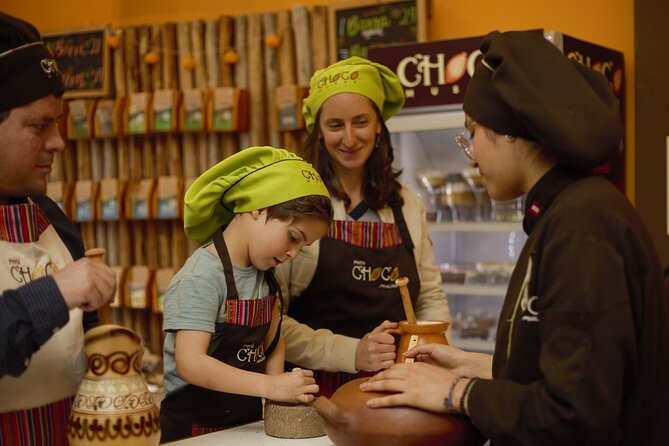
The session is designed as a group activity rather than a private lesson. With a maximum of 12 people, you have a reasonable chance to ask questions and get involved without waiting behind a large crowd. That small size also helps solo visitors meet people from other countries, while families can work together without the class feeling too formal.
The tone is friendly and theatrical. Diana, one of the most frequently praised instructors, is known for learning everyone’s names quickly and using humor to keep the room involved. Jocelyn receives similar praise for her energy and ability to keep children and adults paying attention.
That personality matters here. Cacao production involves several steps that could become dry in a lecture. The instructors keep the group moving, tasting, touching, and making things. You are not simply watching a demonstration from a chair.
More Workshops in Antigua Guatemala
- Authentic Guatemalan Cooking Class in Antigua
★ 5.0 · 438 reviews - Guatemalan Cooking Class & Market Tour
★ 5.0 · 213 reviews - Guatemalan Cooking Class and Market Tour
★ 5.0 · 145 reviews
Starting with a cacao pod and a raw bean
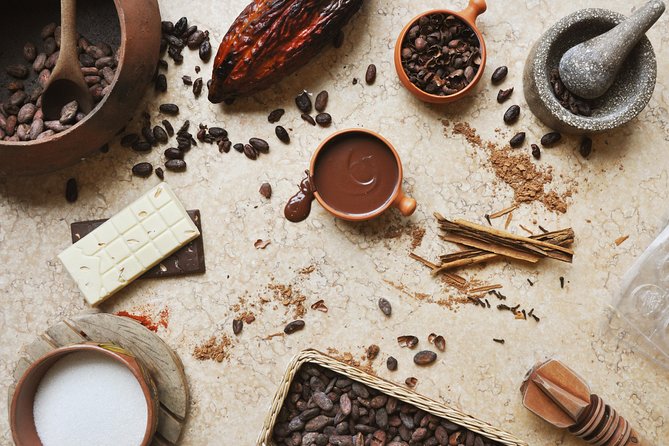
The workshop begins with an introduction to cacao beans, the cacao tree, and different types of cacao. One useful feature is the chance to see a cacao pod opened and taste a raw bean.
That first taste gives you a better sense of the ingredient before it becomes the familiar sweet chocolate found in a bar. Raw cacao does not taste exactly like finished candy, so this is a helpful reminder that chocolate is the result of several changes, not something that simply comes from a tree ready to eat.
The teaching also covers cacao’s place in Guatemala and its connection with Mayan culture. You will hear about how cacao was used and how it became part of local food traditions. This cultural context adds value, especially if you are visiting Guatemala and want an activity connected to the country rather than a generic cooking class.
I would keep one qualification in mind. The presentation is built for a general audience and entertainment, not academic study. One participant felt that some of the historical information about chocolate’s origins was inaccurate or too speculative. If you want a precise scholarly account of cacao history, this may feel loose. If you want an accessible introduction with plenty of tasting and participation, the approach works well.
Roasting, shelling, and crushing the beans
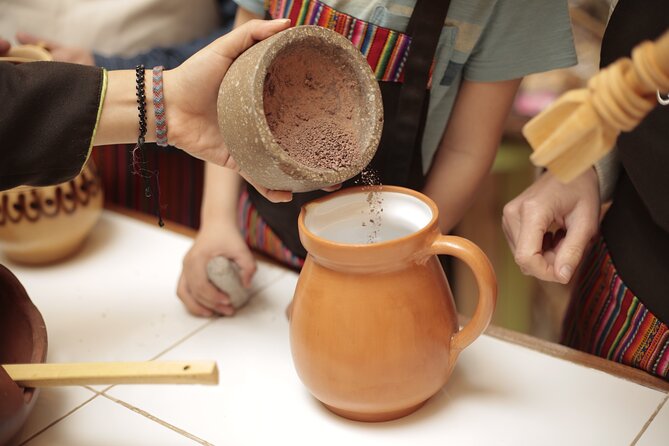
The most satisfying section is the hands-on work with cacao beans. You help roast the beans, remove the shells, and crush the cacao.
These steps give the phrase bean to bar some real meaning. You can see and feel the changes instead of hearing only a list of production terms. The roasting stage helps develop the familiar chocolate aroma, while shelling shows how much preparation is needed before the cacao can be used.
The crushing stage is especially useful because it connects the physical bean with the drinks made later. You are not expected to run a factory or produce a polished commercial bar from raw beans in two hours. Instead, you take part in selected stages and then use prepared chocolate for the final bar-making activity.
That distinction is important. Some people leave feeling they have learned how chocolate is produced from start to finish. Others may feel the class works backward at times, since the decorative bar can be prepared before the full bean process is explained. I would describe it as a guided demonstration with practical activities, rather than a professional confectionery workshop.
Still, the sequence gives you enough contact with the raw material to make the lesson worthwhile. You roast, peel, and grind cacao, then taste products made from those stages. It is more memorable than simply being told how the process works.
Cacao tea and hot chocolate with a Guatemalan twist
The drink tasting is one of the strongest parts of the experience. The group uses cacao shells to make tea, then prepares hot chocolate.
The cacao tea offers a good lesson in using more of the bean. The shells are not the part most people think about when they picture chocolate, but they can be turned into a warm drink. The hot chocolate is prepared in an Aztec-style presentation, adding another cultural reference to the class.
You also taste different chocolate-based drinks during the session. This gives the workshop variety and prevents it from becoming a single long demonstration about candy bars. You get to compare flavors and textures while learning where each drink fits into the broader cacao process.
The drinks are also a social tool. Everyone works through the same tasting stages, so the class naturally becomes conversational. That can be particularly pleasant if you are traveling alone or arriving without a companion.
The emphasis is on enjoyment rather than formal tasting technique. You will not be given a lengthy system for judging chocolate like a professional buyer. Instead, the instructor explains the drinks in plain language and keeps the group participating.
More Workshops in Antigua:
- Make your own Mayan Pepian – Cooking class
★ 5.0 · 39 reviews - Cooking class and market tour/Pepian Workshop
★ 5.0 · 33 reviews - Two Hours Private Backstrap Weaving Workshop in Antigua
★ 5.0 · 27 reviews - Market food tour and tortilla workshop
★ 5.0 · 21 reviews
Making your own chocolate bar
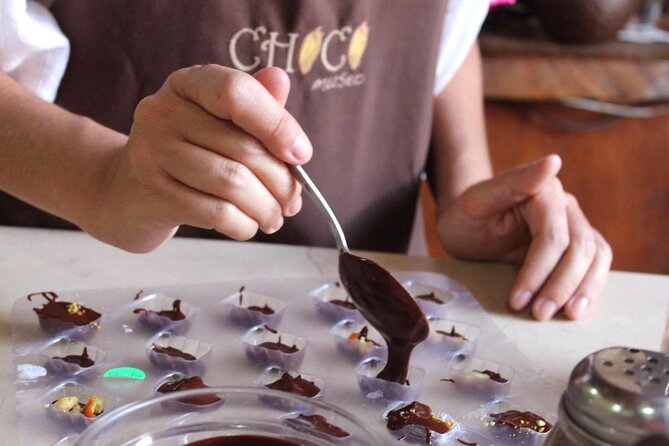
The final creative step is making a personal chocolate bar. You work with already prepared chocolate and add toppings from the available selection.
This is the moment most people anticipate, and it delivers the clearest souvenir. You are not just buying a bar from the shop. You choose how your handmade piece looks and what goes into it, then take it home once it has set.
The included amount is 90 grams. That is a substantial edible souvenir, though it is not a large box of chocolates. Since the activity takes place in a warm climate, it is sensible to protect the bar from heat after collecting it. One participant found that the chocolate melted quickly while walking home.
Your bar may not be ready at the exact moment the two-hour workshop ends. The practical note is that you can leave with it around 45 minutes after the class finishes. Plan your afternoon accordingly. This waiting period may be a good time to browse the attached shop or café, but the important point is not to schedule a tight transfer immediately afterward.
The finished flavor received mixed feedback. Most of the praise focuses on the fun of creating the bar, while one person found the taste only average. That is a fair expectation to set: the main value is the activity and personal touch, not necessarily a gourmet chocolate prize.
Why the instructor makes such a difference
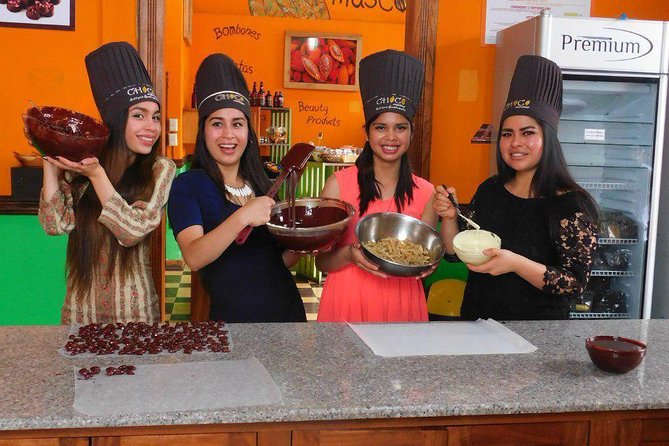
The teaching style carries much of the experience. Diana is repeatedly praised for being funny, warm, and engaging. She asks participants to introduce themselves, remembers names, and keeps the group involved during demonstrations.
That kind of attention can change a small class. Instead of feeling like a fixed script, the workshop can feel responsive to the people in the room. Diana has also been praised for helping children stay involved, including two children aged six and eight.
Jocelyn is also described as energetic and clear. She has kept families and adults interested through a packed two-hour session. If you are looking for a quiet, self-guided museum visit, this is not that. The instructor may ask questions, call on people, and encourage participation.
For some people, that lively approach is exactly the appeal. For others, it may feel too much like a show. One negative account described the experience as touristy and uncomfortable because of the interactive dynamic. If you prefer a calm lecture with technical detail, you may find the presentation a little theatrical.
The good news is that the maximum group size limits the scale of that performance. You are in a small room rather than a huge hall, and the class has enough structure to keep the activity moving.
Is $32.48 good value?
At $32.48 per person, this is not the cheapest way to eat chocolate in Antigua. You could buy plenty of sweets for less. The question is what you are paying for.
The fee includes all materials, ingredients, chocolate drinks, and your 90-gram handmade chocolate. It also pays for roughly two hours of instruction, tastings, and guided activities. If you value a creative afternoon and want a souvenir connected to something you did yourself, the price is reasonable.
The value is strongest for families, couples, and solo visitors who enjoy participatory activities. Children can take part, adults get cultural background, and the small group gives solo participants an easy way to meet others.
The value is weaker if you are seeking advanced chocolate-making skills. You will not be tempering chocolate like a professional chocolatier or producing every ingredient from raw cacao without assistance. Much of the final chocolate is prepared in advance, which keeps the class manageable but means the title should not be interpreted too literally.
I would also factor in the shop and café. You may be tempted to buy additional chocolate products or drinks after the class. That is optional, but the setting makes it easy to continue the sweet theme.
The best time to fit it into your Antigua visit
The workshop works well as an afternoon activity, especially after walking around Antigua’s historic center. Its Central Park location makes it easy to combine with other sights, meals, or shopping nearby.
It can also work on your first day in Guatemala, but allow plenty of travel time if you are coming from the airport. One person had difficulty reaching Antigua on arrival day and needed to reschedule. The staff allowed the change, but you should not depend on a last-minute adjustment.
The activity is booked, on average, 23 days ahead. That suggests you should reserve early if your dates are fixed. One participant noted that there are only two workshops each day, so available spaces may be limited even with a 12-person maximum.
You receive confirmation when booking. Free cancellation is available if you cancel at least 24 hours before the local start time. Cancellations or changes made inside that window are not refunded or accepted.
Who will enjoy this class most?
I would recommend the workshop to:
- Families wanting a hands-on activity that works for children and adults
- Couples looking for a light, social experience
- Solo visitors who enjoy meeting people during an activity
- Anyone curious about cacao farming, chocolate drinks, or Guatemalan food culture
- People who want an edible souvenir they made themselves
- Visitors who prefer learning through tasting and participation
I would be more cautious if you are a serious chocolate enthusiast hoping for professional instruction. The class offers a useful introduction, but it is not a technical course in confectionery.
You should also consider your tolerance for group interaction. The instructor may invite participation and keep the pace lively. That is fun for many people, but not ideal if you want to sit quietly and observe.
Practical details that improve the experience
Wear something comfortable and arrive ready to take part. You will handle cacao and prepared chocolate, so avoid treating the session like a formal museum tour.
Leave room in your schedule after the two-hour class. Your finished bar may need about 45 minutes before it is ready to collect, and hot weather can soften it quickly once you leave.
If you are booking for a family, the class has a strong record of keeping younger children interested. If you are booking alone, do not worry about being isolated. The introduction and shared tasting make conversation easy.
Ask questions about the cacao process, but keep in mind that the class is intended for a general audience. You will get the most from it if you treat the historical material as an accessible introduction and focus on the physical process, flavors, and local context.
Should you book the ChocoMuseo Antigua workshop?
Yes, if you want a cheerful, hands-on activity with a clear souvenir at the end. The best parts are the raw cacao tasting, roasting and shelling work, cacao tea, Aztec-style hot chocolate, and the chance to design your own bar.
I would not book it expecting a rigorous technical course or a perfectly precise history of chocolate. Book it for two social hours of learning, making, and eating, then allow another 45 minutes before collecting your chocolate. At $32.48, it is good value for families, couples, and solo visitors who want more than a shop visit but less than a full culinary course.
FAQ
Where does the chocolate workshop take place?
It takes place at ChocoMuseo La Antigua, at 4a Calle Poniente #8, in front of Central Park in Antigua Guatemala.
How long does the workshop last?
The workshop lasts approximately two hours.
What is included in the price?
The price includes chocolate drink tastings, all materials and ingredients needed for the workshop, and about 90 grams of handmade chocolate.
Do I take chocolate home?
Yes. You make your own chocolate and take it home after it is ready.
Can I leave with my chocolate immediately after class?
Not always. The chocolate may be ready around 45 minutes after the workshop ends.
Is hotel transportation included?
No. Hotel pickup and drop-off are not included. You meet and finish at ChocoMuseo.
How many people can join the workshop?
The activity has a maximum group size of 12 people.
Can children participate?
Most people can participate, and the experience has been suitable for families with children aged six and eight.
Can I use public transportation to reach the meeting point?
Yes. The meeting point is near public transportation.
What happens if I need to cancel?
You can receive a full refund if you cancel at least 24 hours before the experience start time. Cancellations or changes made less than 24 hours before the start are not accepted or refunded.
Just added around Antigua
- The old UNESCO★ 5.0 · 3 reviews
- Lake Atitlan★ 5.0 · 2 reviews
- Worry Doll Workshop with Doña Rosa★ 4.5 · 2 reviews
- Walking Tour Antigua, an open Museum★ 5.0 · 4 reviews
- Private Day Tour of Magic and Nature in Cascades of Urlanta★ 4.5 · 2 reviews
- Village Tour in Antigua Guatemala★ 5.0 · 4 reviews
- Volcan Pacaya on wheels ATV From Antigua or Guatemala city.★ 5.0 · 4 reviews
- Private Transfers in Guatemala★ 3.5 · 3 reviews
Workshops, compared.
Two Hours Private Backstrap Weaving Workshop in Antigua
Read our review →
Browse the lists this tour appears in