
Review · COOKING CLASSES
Antigua: Authentic Guatemalan Cooking Class
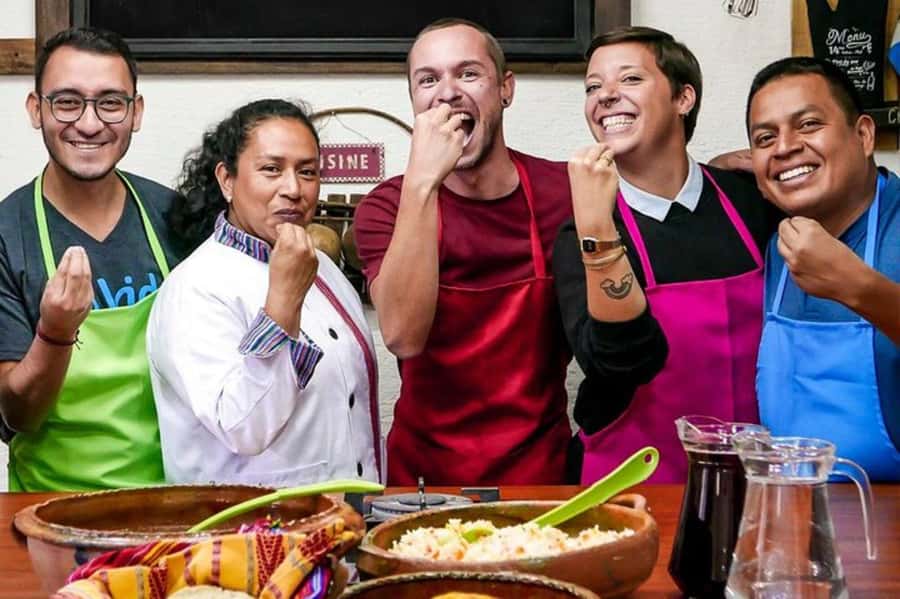
Come hungry, leave with new skills. This three-and-a-half-hour class in Jocotenango gives you a practical taste of Guatemala through local recipes, hands-on cooking, and a rooftop meal facing Agua Volcano. I especially like the choice of several traditional dishes and the chance to prepare vegetarian versions of every recipe. I also like that chef Dario and his team bring warmth and cultural context to the lesson, not just a stack of instructions. The main consideration is that the class may suit you less if you want a tightly structured, highly active kitchen session from start to finish.
You can choose a light approach, perhaps cooking at an easy pace with a drink in hand, or stay involved through nearly every step. That flexibility is useful for mixed groups, though your level of hands-on work may depend on how actively you take part.
In This Review
- Key points to know before booking
- Why a cooking class adds something special to Antigua
- Getting to Jocotenango and starting the class
- Choosing between Pepián, Jocón, Kak’ik, and more
- What the hands-on cooking feels like
- Learning the culture behind the recipes
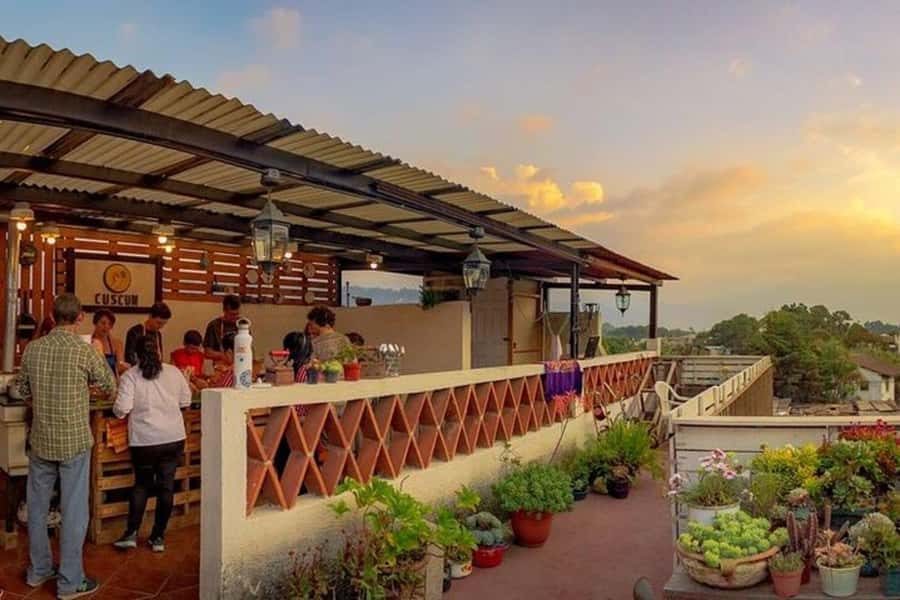
- Lunch on the rooftop with Agua Volcano views
- Is the $80 price good value?
- Who will enjoy this class most
- Practical tips for making the most of it
- Should you book the Jocotenango cooking class?
- FAQ
- Where does the cooking class take place?
- How long does the activity last?
- What dishes can I choose from?
- Are vegetarian dishes available?
- Is transportation included?
- What food and drinks are included?
- What languages are spoken during the class?
Key points to know before booking
- Jocotenango setting: The class takes place in a village near Antigua, giving you a local setting beyond the usual central streets.
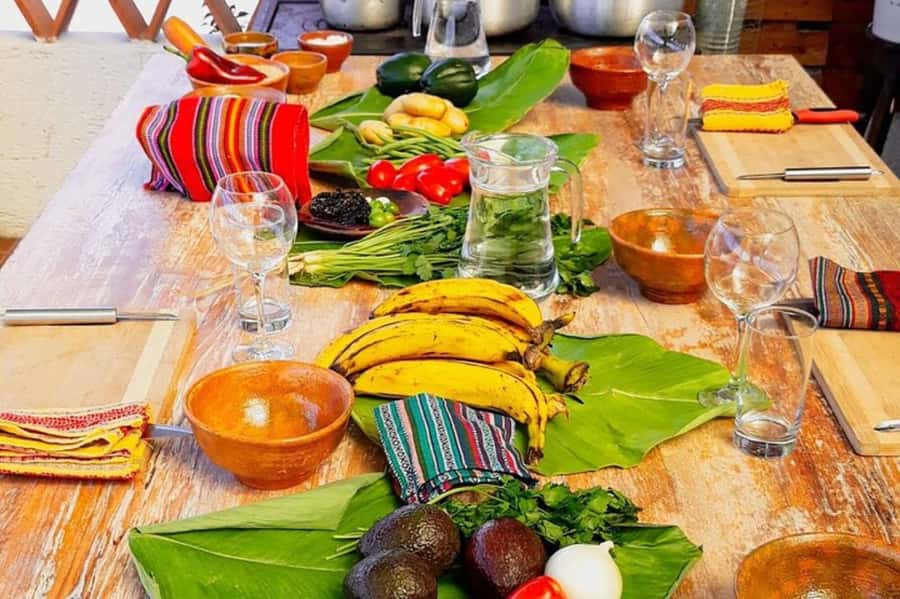
- Six traditional dish choices: Pick from Pepián, Jocón, Kak’ik, Subanik, Tamales, and Chiles Rellenos.
- Vegetarian-friendly menu: Vegetarian versions are available for every listed dish.
- Three-and-a-half-hour format: The 210-minute schedule includes cooking, lunch, snacks, drinks, and time to enjoy the setting.
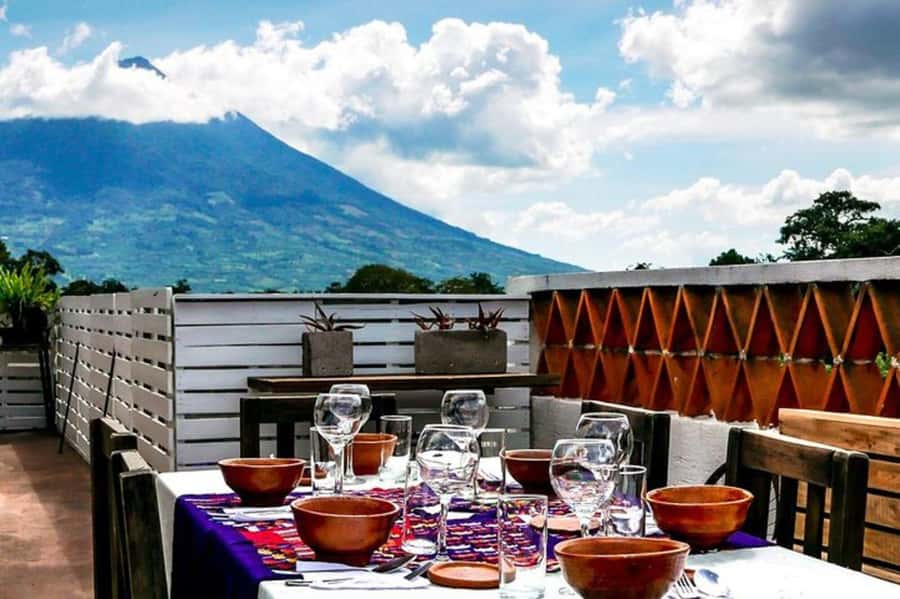
- Two dining options: Eat on a rooftop terrace with Agua Volcano views or in a restored colonial-style dining room.
- Flexible participation: You can take a lighter role or work closely through the recipes, which makes the class suitable for different comfort levels.
Why a cooking class adds something special to Antigua
Antigua is an easy place to admire from the outside. You can walk its cobbled streets, photograph its churches, and settle into a café. A cooking class gives you another way to understand the country, through the food people prepare and the techniques behind it.
This experience takes place in Jocotenango, a village near Antigua. That setting matters. Instead of spending the whole activity in a tourist-heavy center, you travel to a nearby community and spend time with a chef and sous chef who explain how Guatemalan dishes connect to daily life and local culture.
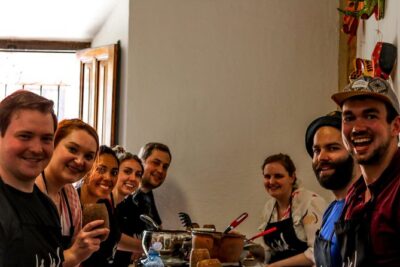
I like the format because it is not simply a demonstration. You are expected to take part. You learn about ingredients, preparation methods, and the place each dish holds in Guatemalan cooking. The result is more useful than a meal you only watch someone else prepare.
The class is also a good fit if you want a cultural activity that does not require a full day. At 210 minutes, it fills a morning or afternoon without taking over your entire Antigua schedule.
More cooking classes in Guatemala City:
- Small-Group Cooking Class in Antigua from Guatemala City
★ 5.0 · 5 reviews - Authentic Guatemalan Cooking Class in Antigua
★ 5.0 · 438 reviews - Guatemalan Cooking Class & Market Tour
★ 5.0 · 213 reviews
Getting to Jocotenango and starting the class
Private transportation is included, so you do not need to arrange your own ride to the cooking location. The exact starting time depends on availability, and you should arrive 15 minutes early for check-in.
That early arrival is worth taking seriously. Cooking classes run on shared timing, and arriving late can mean missing the introduction or the first preparation steps. Wear clothing you are comfortable cooking in. You do not need to dress formally for the meal, and practical clothes will make chopping, stirring, and moving around the kitchen easier.
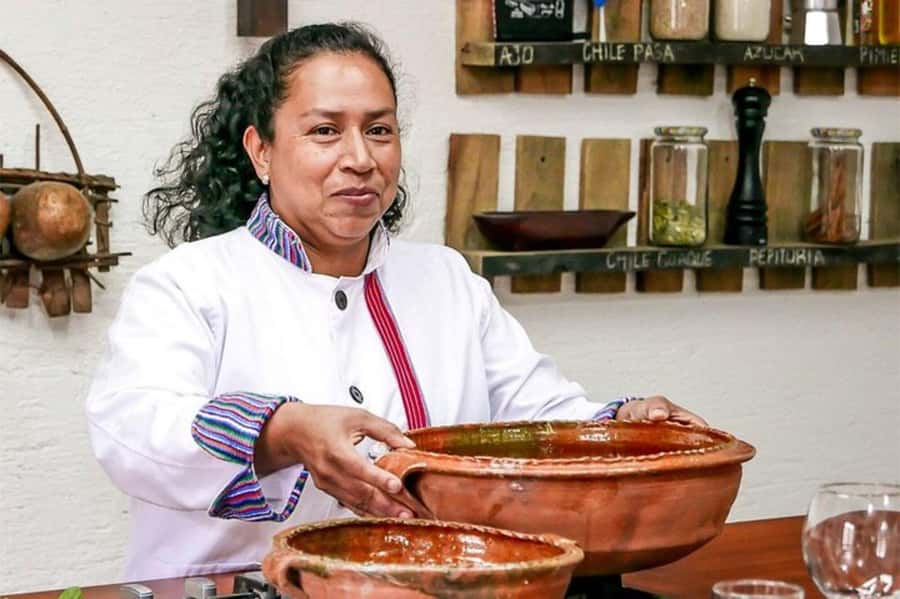
Your hosts are chef Dario and his sous chef. Dario received especially warm praise for being friendly and for explaining both the food and the culture behind it. That combination is important. A cooking instructor can show you what to do, but the best part of this class is learning why the dish matters and how its flavors are built.
Photography is allowed, so you can take pictures during the preparation and meal. Still, I would keep your phone from becoming the main focus. The class is most rewarding when you watch the technique closely and put your hands to work.
Choosing between Pepián, Jocón, Kak’ik, and more
The menu gives you six well-known Guatemalan choices:
- Pepián
- Jocón
- Kak’ik
- Subanik
- Tamales
- Chiles Rellenos
This range gives the class much of its value. You are not limited to one standard recipe, and you can choose a dish that matches your interests and comfort level.
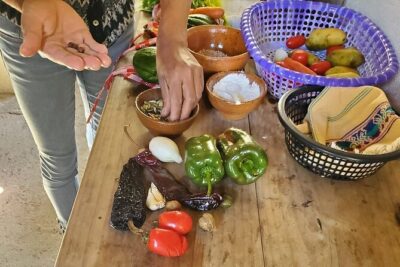
Pepián is a famous Guatemalan dish often associated with a thick, complex sauce. Jocón offers another traditional flavor profile. Kak’ik, Subanik, Tamales, and Chiles Rellenos round out the menu with different methods and textures. The supplied details do not specify every ingredient or exact preparation step, so your chef’s explanation will be the best guide to what makes your chosen recipe distinct.
I recommend choosing based on what you want to learn, not only on what sounds familiar. If you want to understand sauce-making, ask about the dishes with more involved sauces. If you are most interested in technique, tamales or chiles rellenos may give you a different kind of kitchen work. The class allows you to make a choice before cooking begins, so use that moment well.
Vegetarian diners have a clear advantage here. Vegetarian options are available for all six dishes, rather than only one special plate. That makes the activity easier for a group with mixed diets. You should still confirm your preference when you choose your recipe, so the kitchen can prepare the correct ingredients.
What the hands-on cooking feels like
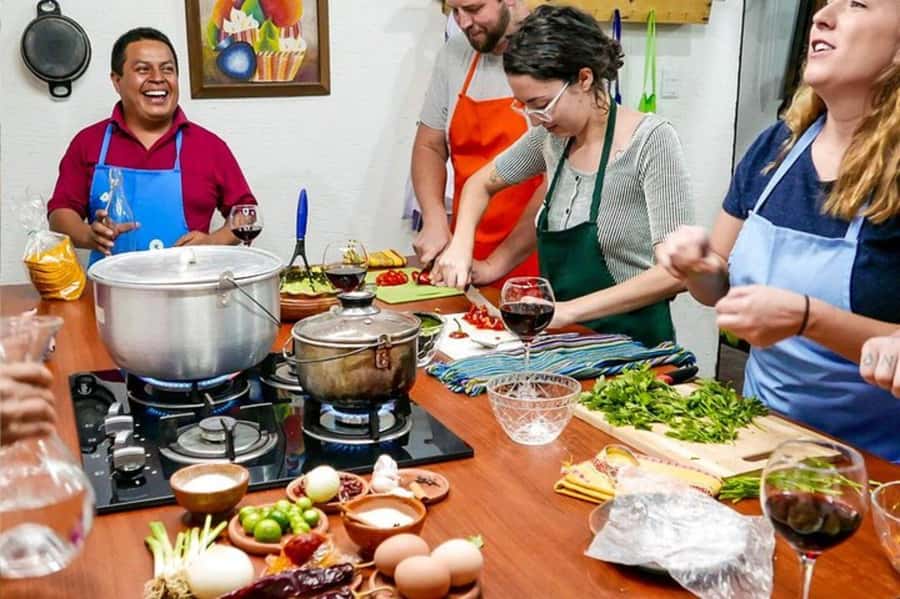
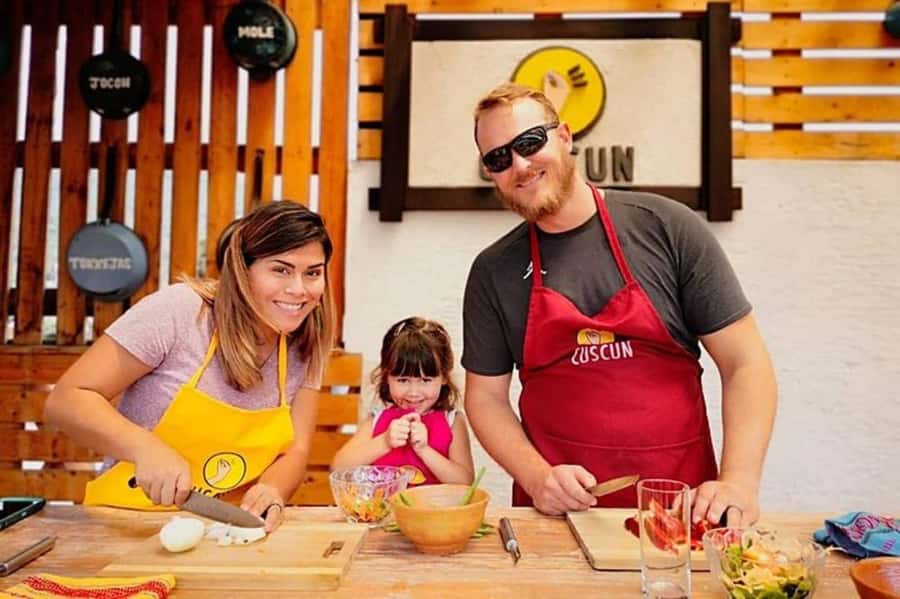
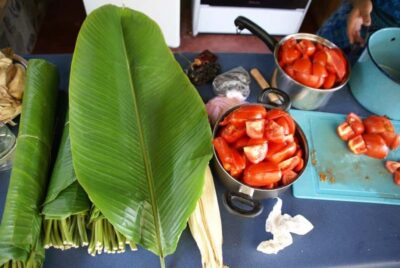
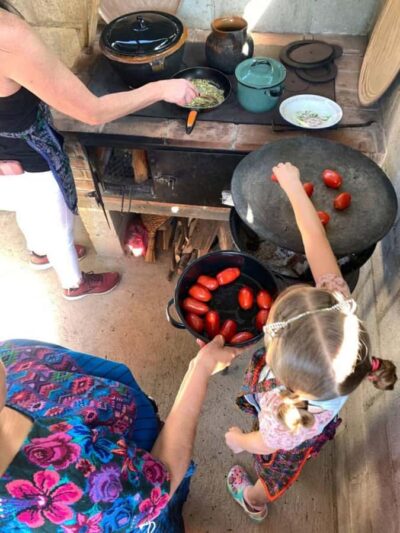
The class can be as active as you want it to be. You may take a lighter approach, watching demonstrations, helping with selected steps, and enjoying a glass of wine. Or you can stay involved throughout the session and ask to handle more of the preparation.
I prefer the second approach if your goal is to take the experience home with you. Pay attention to how the chef handles ingredients, how flavors are combined, and how each stage changes the final dish. Ask questions while the food is being prepared. That is where the real value lies.
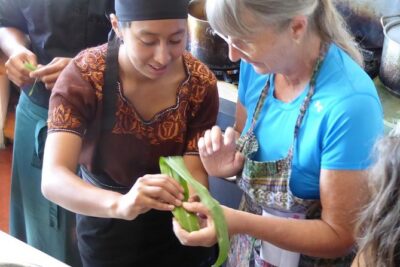
One useful feature is that the class explains traditional techniques rather than handing you a finished plate. You learn through doing, which makes the meal easier to remember and may help you recreate parts of it later.
The flexible pace also helps groups with different interests. One person can focus on the cooking while another watches, photographs, and enjoys the social side. The drawback is simple: if you want every participant to be constantly busy, the lighter participation style may feel less intense than expected.
The class is taught in English and Spanish. That gives you a practical way to follow the instructions and ask questions, even if your Spanish is limited.
More Workshops in Guatemala City:
- Private MAYAN CUISINE Lesson with Chef in Guatemala City
★ 5.0 · 16 reviews - The Perfect Coffee Tour in Guatemala City: Class with a Barista + City Tour
★ 3.5 · 2 reviews - Bean-to-Bar Chocolate Workshop in ChocoMuseo Antigua
★ 5.0 · 353 reviews - Guatemalan Cooking Class and Market Tour
★ 5.0 · 145 reviews
Learning the culture behind the recipes
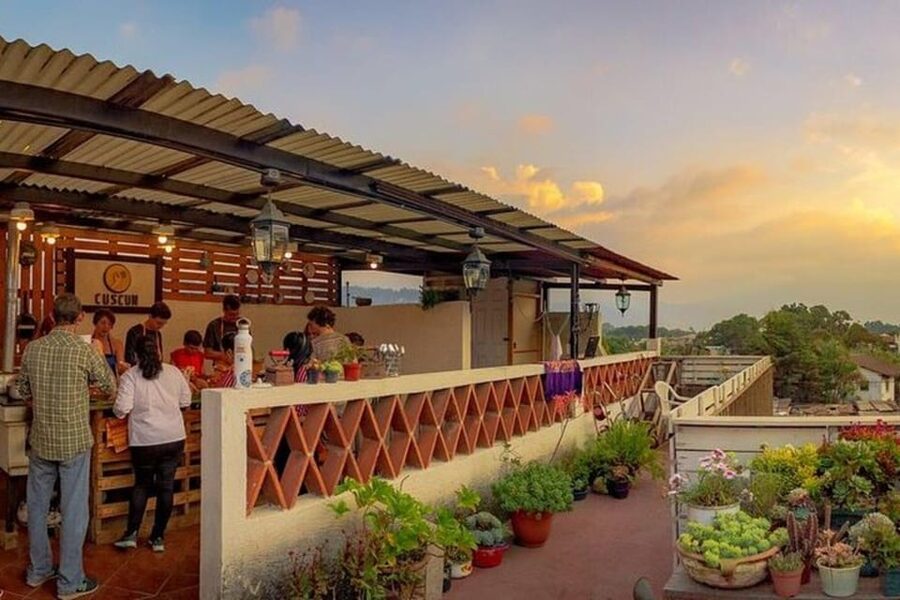
Food is a useful doorway into Guatemalan culture because recipes carry more than flavor. They also show how ingredients, family habits, celebrations, and local identity fit together.
The instructors explain the cultural importance of the dishes as you prepare them. This turns the class into more than a recipe workshop. You are not just learning how to assemble lunch. You are learning why these foods belong to Guatemala and how they fit into everyday life.
I like this part because it keeps the cooking grounded. You do not need a lecture on national cuisine. You learn in small pieces as the dish comes together, which makes the information easier to connect with what you are doing.
Chef Dario’s friendly approach also matters here. A warm instructor can make it easier to ask basic questions, especially if you are unfamiliar with the ingredients or techniques. The class is aimed at participation, not at testing your previous cooking ability.
Lunch on the rooftop with Agua Volcano views
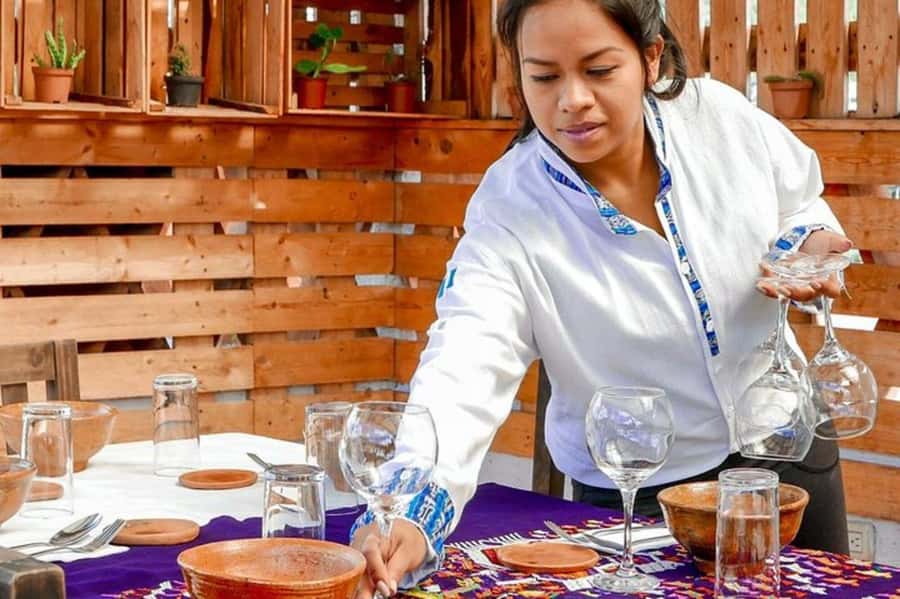
Once the dishes are ready, you sit down to eat what you helped prepare. The preferred setting is a rooftop terrace with views of Agua Volcano. On another occasion or depending on the arrangement, the meal may take place in a restored colonial-style dining room.
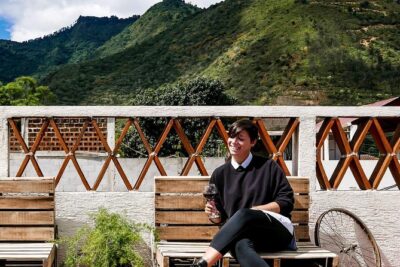
The rooftop is the memorable option. You get to connect your meal with the surrounding scenery, and the volcano gives the final part of the class a strong sense of place. This is not just lunch in an anonymous kitchen. You are eating Guatemalan food in Guatemala, with the local view in front of you.
The colonial-style dining room offers a different mood. It may be preferable if you want a more sheltered, traditional setting or if the rooftop is not being used. Since the exact dining location can vary, I would avoid booking solely on the assumption that the terrace will be available.
Lunch is included, along with snacks, bottled water, and alcoholic beverages. Additional food and drinks not specifically provided are not included, so keep that distinction in mind if you expect to order extras.
The tasting session is also a chance to compare your expectations with the finished dish. You will know how much work went into it, and you may notice flavors differently because you prepared them yourself. That personal connection is one of the strongest reasons to choose this experience over a standard restaurant meal.
Is the $80 price good value?
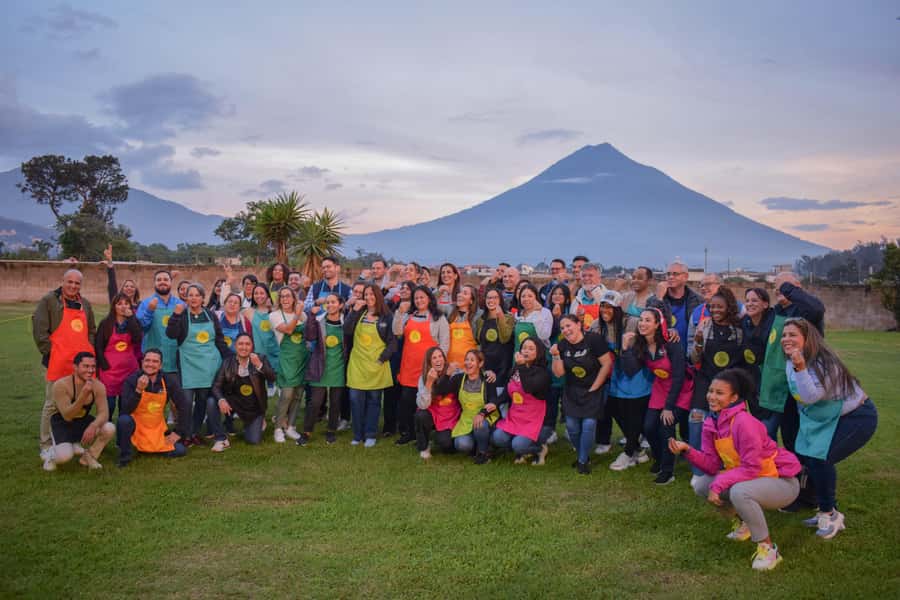
At $80 per person, this is not the cheapest way to eat near Antigua. You are paying more than the cost of a simple local lunch, and the class may not make sense if you only want a quick meal.
The value improves when you consider what is included. You receive private transportation, instruction from a chef and sous chef, the cooking session, lunch, snacks, bottled water, and alcoholic beverages. You also get a cultural activity lasting 210 minutes, not just a plate delivered to your table.
I see the price as fair for someone who wants an organized food experience with transportation included. The lesson, the meal, and the setting work together. You are paying for time, guidance, and access to a cooking environment, as well as the food itself.
The value is strongest for people who plan to participate actively. If you only watch and treat the class as a scenic lunch, the price may feel high. If you want to learn techniques and understand the origins of Guatemalan flavors, the same price becomes easier to justify.
The included alcoholic beverages may be useful for adults who want a relaxed social experience, but they should not be the main reason to book. The cooking and cultural instruction are the core of the activity.
Who will enjoy this class most
I would recommend this class to several types of visitors:
- You want a cultural activity with food at its center.
- You enjoy learning by doing rather than only watching.
- You are visiting Antigua and want to spend time in nearby Jocotenango.
- You have vegetarian diners in your group.
- You want a manageable half-day activity rather than a full-day excursion.
- You like scenic dining and want a view of Agua Volcano.
- You are comfortable choosing how active you want to be.
Families and mixed groups may appreciate the flexible participation. One person can work closely with the chef while another takes a quieter role. The class also suits solo visitors who enjoy meeting local hosts through a shared activity, though the supplied details do not specify the group size.
I would think twice if you dislike cooking, have very limited time, or want a fully private lesson with constant one-on-one attention. The activity is designed to work for different participation levels, but that also means it may not feel like an intensive professional kitchen course.
Practical tips for making the most of it
Arrive 15 minutes early. The cooking period is limited, and a late start could cut into the hands-on portion.
Choose comfortable clothing that you do not mind wearing in a kitchen. The experience is active enough that restrictive or delicate clothing would be a poor choice.
Think about your recipe before the class begins. If you are curious about traditional sauces, ask which dish will teach you the most. If you are vegetarian, state that clearly when making your selection.
Take notes if you hope to repeat the recipe at home. A few quick reminders about technique or ingredient order may be more useful than taking pictures of every step.
Keep your camera ready for the rooftop meal, but remember that the best view is Agua Volcano itself. Photography is allowed, so you can record the setting without worrying about breaking the rules.
You can cancel up to 24 hours before the activity for a full refund. You can also reserve now and pay later, which helps if your Antigua schedule is still changing.
Should you book the Jocotenango cooking class?
I would book it if you want a personal connection to Guatemalan food, not simply another restaurant meal. The menu choice, vegetarian flexibility, friendly instruction from Dario and his team, and rooftop meal make this a well-rounded half-day experience.
The key question is how much you want to cook. Choose the class if you are willing to take part and ask questions. If you prefer to sit back with a drink, you can still enjoy it, but you may not get the full value from the $80 price.
For food lovers, culturally curious visitors, and anyone who wants a slower activity near Antigua, this is a strong choice. Just arrive early, dress for the kitchen, choose your dish thoughtfully, and keep your schedule flexible enough to enjoy the meal and the view.
FAQ
Where does the cooking class take place?
The class takes place in Jocotenango village, near Antigua in Guatemala.
How long does the activity last?
The cooking class lasts 210 minutes, or three and a half hours.
What dishes can I choose from?
You can choose from Pepián, Jocón, Kak’ik, Subanik, Tamales, and Chiles Rellenos.
Are vegetarian dishes available?
Yes. Vegetarian options are available for every dish listed.
Is transportation included?
Yes. Private transportation is included.
What food and drinks are included?
Lunch, snacks, bottled water, and alcoholic beverages are included. Personal expenses and additional food or drinks not specified are not included.
What languages are spoken during the class?
The instructors speak English and Spanish.
Just added around Guatemala City
- Graffiti Walking Tour in 4 Grados Norte Guatemala City★ 5.0 · 9 reviews
- Transfer from Airport to Antigua★ 5.0 · 4 reviews
- Tikal Shared Experience: Flight from the City + One Day Tour★ 5.0 · 4 reviews
- Small-Group Cooking Class in Antigua from Guatemala City★ 5.0 · 5 reviews
- Private Transportation Service Within Guatemala City on a Minibus with A/C★ 4.5 · 3 reviews
- Guatemala City Panoramic Tour + Visit to the Central Market★ 5.0 · 9 reviews
- Private transportation Guatemala to Panajachel★ 5.0 · 2 reviews
- Guatemala San Jose Beach Private Tour★ 5.0 · 3 reviews
Cooking Classes, compared.
Browse the lists this tour appears in