
Review · COOKING CLASSES
Antigua: Cooking Class with Local Family
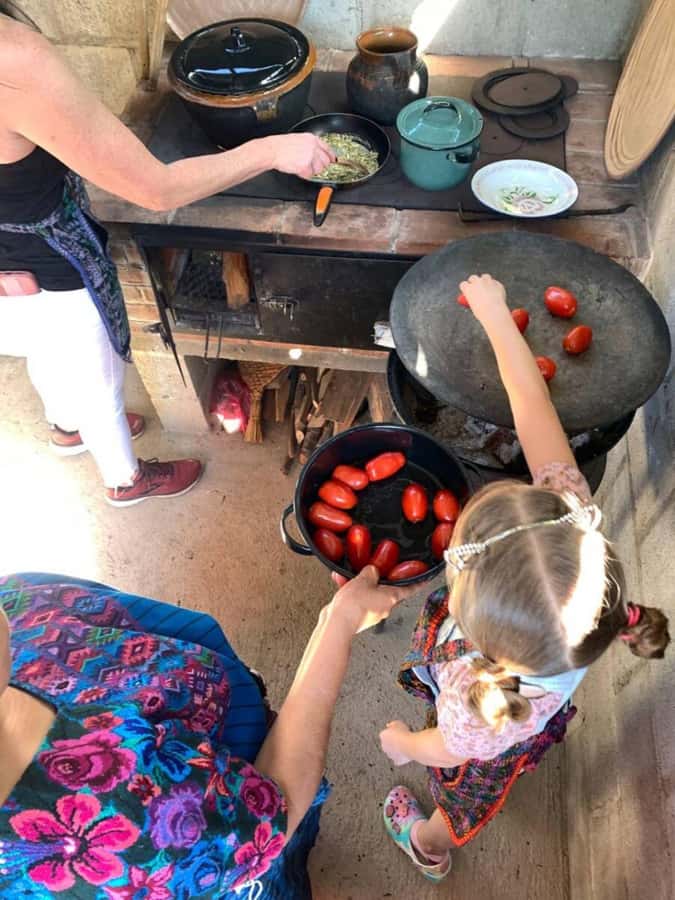
Put your hands to work. This four-hour Antigua cooking class connects you with a local Guatemalan family, traditional Maya food methods, and ingredients bought fresh for the meal. I like the hands-on use of the ancient pedernal stone, and I like that the class can include a market visit before cooking begins. The main consideration is that transport and the meal follow local routines, so this is not a polished studio class with a fixed restaurant-style menu.
The experience costs $75 per person and includes ingredients, snacks, bottled water, transport, and a guide. Maritza receives especially warm praise for her kindness and care, but you should report allergies, medical concerns, and dietary restrictions ahead of time so the family can adjust the menu.
In This Review
- Key things to know before cooking
- From Antigua’s market to a family kitchen
- The pedernal stone lesson
- Cooking Pepián and other Guatemalan dishes
- Tortillas, snacks, and the meal at home
- What the private format really means
- Is $75 a fair price?
- Who should book this class?
- Practical advice for a better afternoon
- Should you book it?
- FAQ
- How long does the cooking class last?
- How much does the experience cost?
- What dishes can I cook?
- Is transportation included?
- Is the activity private?
- What languages are available?
- Can dietary restrictions and allergies be accommodated?
- Is the activity wheelchair accessible?
Key things to know before cooking
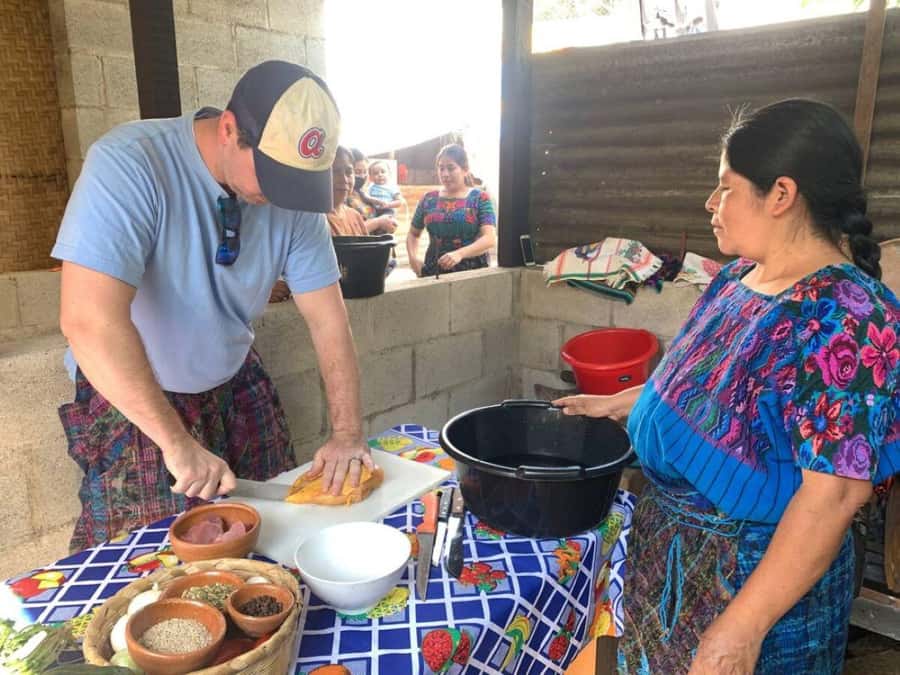
- You grind the ingredients yourself: Corn, seeds, and spices are crushed by hand on a traditional pedernal stone, a method linked to Maya cooking for more than 4,000 years.
- The market may be part of the lesson: Some schedules begin with Maritza buying fresh products in Antigua’s market before heading to her home.
- You cook in a family setting: This is a private activity for your own group, with a maximum group size of 10 people.
- Pepián is a likely highlight: The menu may include Pepián, Jocón, Kak’ik, or a vegetarian dish, depending on local conditions and the season.
- Tortilla-making is part of the fun: You may shape and cook tortillas, a simple task that quickly shows how much practice traditional cooks have.
- You take the method home: The recipes and techniques are meant to help you recreate the meal in your own kitchen.
From Antigua’s market to a family kitchen
The class is based in Antigua, Guatemala, and lasts about four hours. The exact starting time depends on availability, so plan it as a half-day activity rather than something to squeeze between two tightly scheduled sightseeing stops.
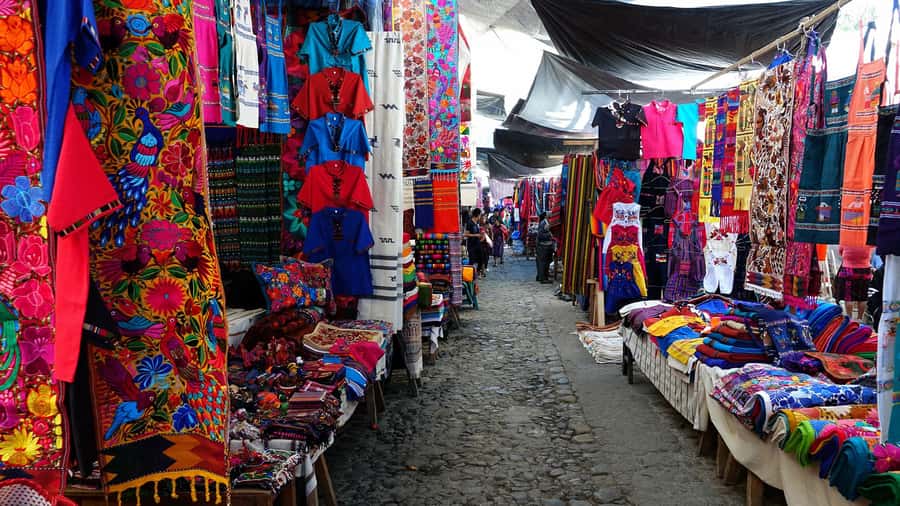
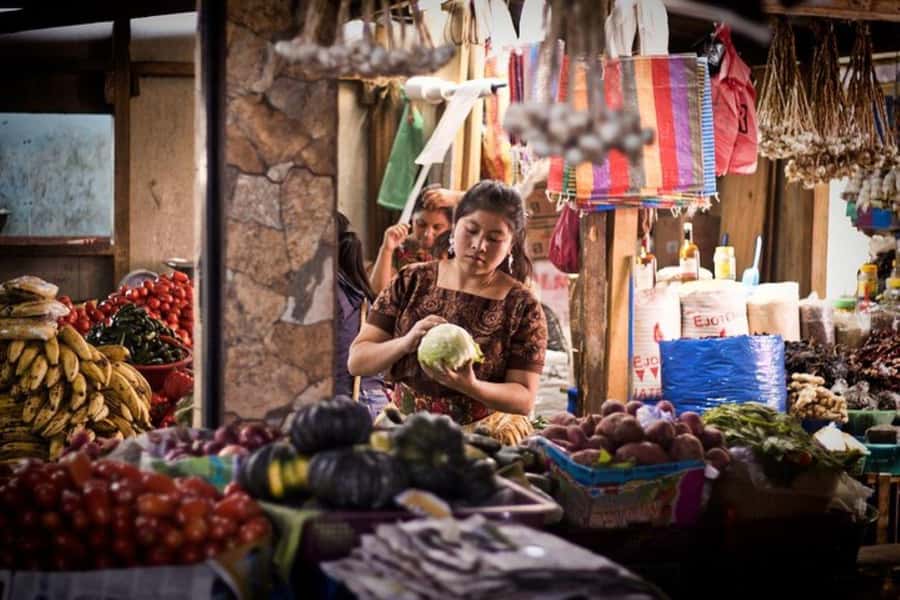
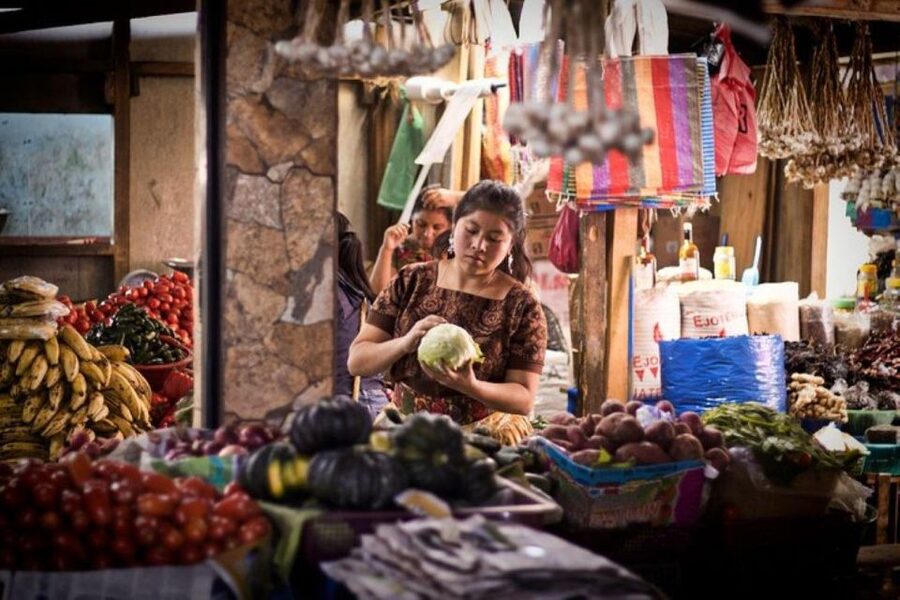
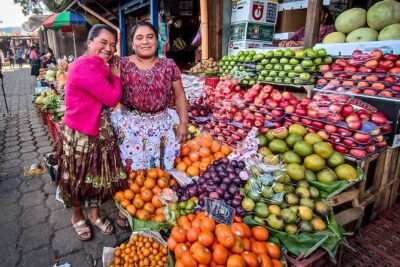
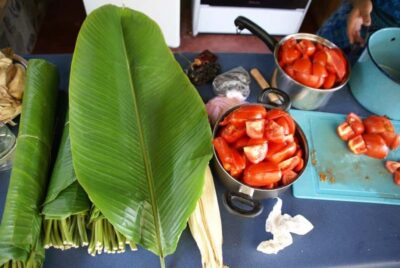
A particularly useful feature is the possible market stop. In one itinerary, Maritza met her participant outside a hotel, then went to the market to purchase fresh products for lunch. This adds real context to the cooking. You see the ingredients before they become part of a finished dish, and you get a better sense of how food shopping supports the meal.
The market is not simply a place to watch someone else shop. You may see how local ingredients are selected and used, with the guide explaining what will go into the dish. That makes the cooking lesson easier to follow later. When a pepper, seed, herb, or vegetable appears on the table, you already know where it came from and why it matters.
Transport is included. Depending on the arrangement, you might use private transportation, a tuk-tuk, or local transport such as a chicken bus. One participant specifically described taking a chicken bus to Maritza’s home, while another returned by tuk-tuk after lunch. This is part of the local character, but it may not suit anyone looking for a controlled, luxury-style excursion.
If you have mobility concerns, the experience is listed as wheelchair accessible, with accessible options available. Still, tell the operator about your needs before booking. A market, home kitchen, tuk-tuk, or local bus can involve practical limits that are not obvious from a general accessibility label.
More Workshops in Antigua Guatemala
- Authentic Guatemalan Cooking Class in Antigua
★ 5.0 · 438 reviews - Bean-to-Bar Chocolate Workshop in ChocoMuseo Antigua
★ 5.0 · 353 reviews - Guatemalan Cooking Class & Market Tour
★ 5.0 · 213 reviews
The pedernal stone lesson
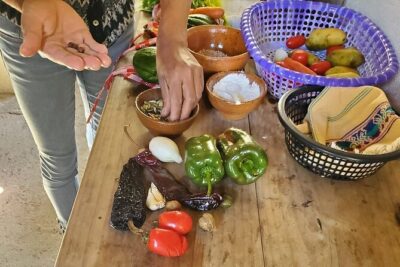
The most unusual part of the class is the hand grinding. You use a millenary pedernal stone to crush corn, seeds, and spices, following a method tied to Maya civilization for thousands of years.
This is not a quick demonstration where you stand back and take a photograph. You are expected to do the work. The stone gives you a direct sense of the effort behind traditional Guatemalan food, especially when several ingredients must be ground before the cooking can move ahead.
I like this part because it changes your view of the finished plate. A sauce is no longer just a sauce. You have handled the raw ingredients, worked them into a paste or seasoning, and watched the texture change under pressure. The process also helps explain why old cooking methods are about more than nostalgia. They shape flavor, texture, and the pace of preparing a meal.
The work can be physical. If you have a physical or medical restriction, mention it in advance. You should also share food allergies and dietary requirements before the class. The kitchen can offer a vegetarian choice and special infant menus, but advance notice gives the family a better chance to prepare properly.
Cooking Pepián and other Guatemalan dishes
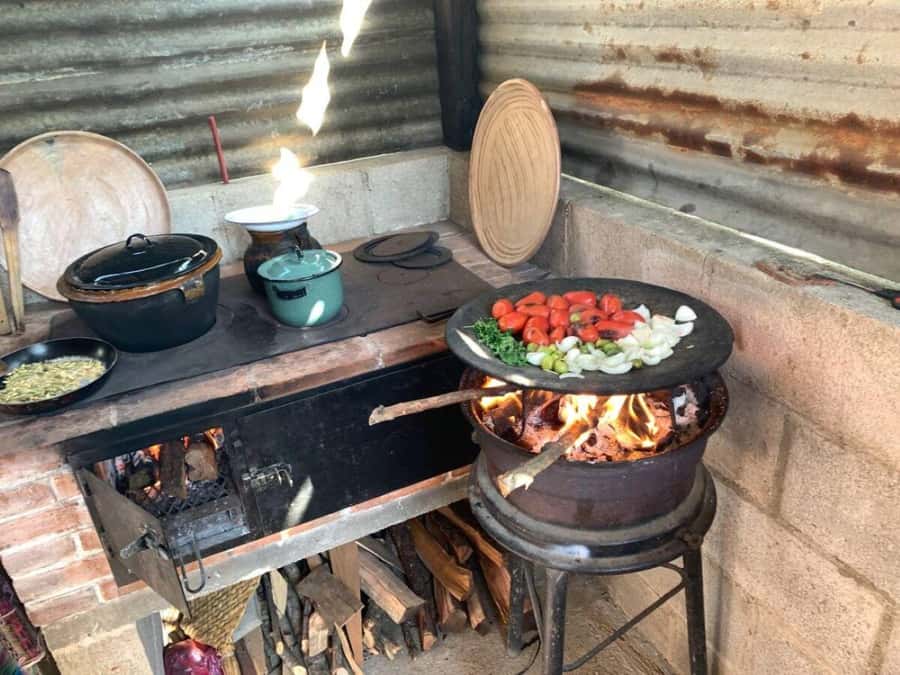
The menu can include Pepián, Jocón, Kak’ik, or a vegetarian option. The exact dish may change by region or special season, so you should treat the menu as a traditional Guatemalan cooking lesson rather than a guaranteed single-recipe class.
Pepián is the dish most clearly connected with the experience. It is a deeply seasoned Guatemalan preparation that makes good use of the grinding technique, since seeds and spices are central to its character. If Pepián is on your menu, the earlier work with the stone becomes directly useful rather than just a historical demonstration.
Jocón and Kak’ik offer other ways to learn how Guatemalan cooking varies across the country. The class does not present one dish as the only correct version of the cuisine. Instead, it gives you a look at regional cooking and the way families adapt traditional food to available ingredients and local habits.
The vegetarian option matters for more than dietary convenience. It means you can still take part in the same basic work of grinding, seasoning, preparing, and sharing food without treating a meat-free meal as an afterthought. Tell the operator about your needs before the day of the class.
Menu changes during a special season are also possible. That may disappoint anyone expecting a fixed menu, but it is a fair trade for a home-based experience that follows the food available at the time. I would rather have a seasonal dish prepared properly than a rigid menu that ignores local conditions.
Tortillas, snacks, and the meal at home
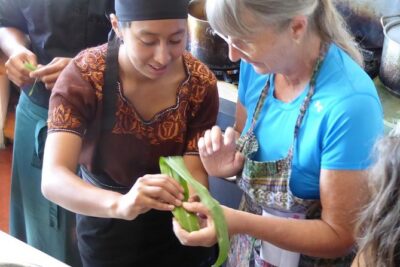
Tortilla-making adds a simple but memorable task to the class. You shape the dough, learn how it feels, and try to produce an even tortilla before it reaches the cooking surface. It looks easy until you try it. The first few may be less than perfect, which is part of the charm.
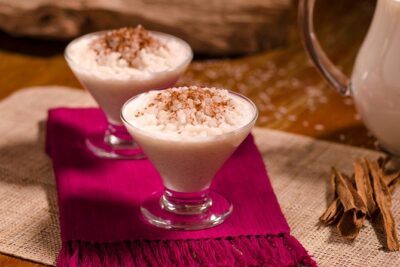
The class also includes snacks and bottled water. A participant described being served homemade chips with beans and queso, along with Jamaica, the hibiscus drink known in Guatemala as rosa de Jamaica. These extras help make the time in the home feel like a shared meal rather than a sequence of cooking instructions.
After the preparation, you eat what you have made. This is the payoff, but it is not the only value. Sitting down with the family gives you time to talk, ask questions, and connect the food with everyday life. The experience is conducted in English or Spanish, so you can choose the language that works best for your group.
Maritza is the guide most closely associated with the class. Her role goes beyond explaining recipes. She may meet you at your hotel, help with the market visit, guide the transport, and look after you during the meal. The strongest praise centers on her kindness and personal care, which matters in a home setting where a warm host can shape the entire afternoon.
More cooking classes in Antigua Guatemala:
- Guatemalan Cooking Class and Market Tour
★ 5.0 · 145 reviews - Make your own Mayan Pepian – Cooking class
★ 5.0 · 39 reviews - Cooking class and market tour/Pepian Workshop
★ 5.0 · 33 reviews - Maya Cooking Class from Panajachel
★ 5.0 · 20 reviews
What the private format really means
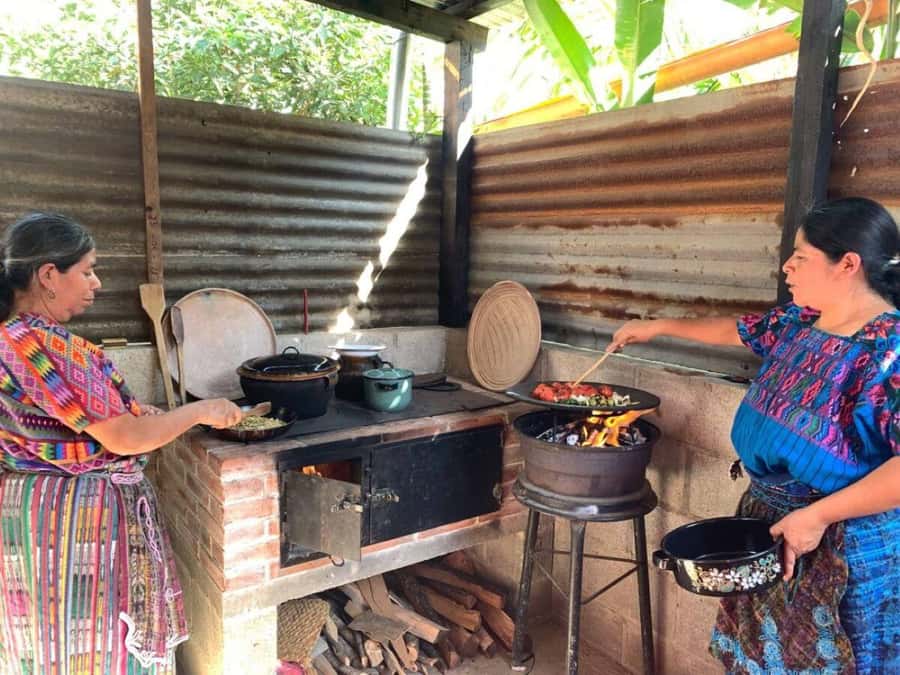
This is a private activity, so only your own group participates. The general group limit is 10 people, but a smaller party should feel more natural in a family home and make it easier to take part in each task.
A private format is valuable if you want to ask questions without competing with a large group. You can also move at a pace that suits your cooking ability. If you need more time with tortillas or want to ask about an ingredient, the lesson does not have to feel like a public demonstration with a strict queue.
The trade-off is that this is not a professional cooking school with a purpose-built kitchen. You are visiting a family and working with traditional tools. The setting may feel informal, and transportation may be local rather than luxurious. For me, that is the point, but it is worth knowing before you book.
The experience also supports the local economy by working with more than 10 families. Your money goes toward a direct family-based activity rather than only toward a large commercial kitchen or sightseeing company. If meeting local people and supporting community income matters to you, that gives the $75 price more weight.
Is $75 a fair price?
At $75 per person, this is not the cheapest meal in Antigua. The price makes more sense when you count what is included: a four-hour activity, a guide, ingredients, snacks, bottled water, transportation, and the prepared meal.
You are also paying for access to a private family setting and a lesson built around traditional tools. A normal restaurant lunch would cost less, but it would not teach you how to grind spices on a pedernal stone, shop for the ingredients, make tortillas, or reproduce the recipes at home.
The value is strongest if you treat this as a cultural activity with food at its center. It is less compelling if you only want an inexpensive cooking lesson or a quick lunch. You should also remember that alcohol is not included.
The ability to reserve now and pay later gives you some planning flexibility. Free cancellation is available up to 24 hours before the activity for a full refund. These terms are useful when your Antigua schedule may change, but you should still check the available start times before setting other plans.
Who should book this class?
I would recommend it to people who enjoy learning by doing. If you want to handle ingredients, use traditional equipment, and eat with the people who prepared the meal, this is a strong choice.
It suits families, couples, solo visitors, and small groups. A child who enjoys helping in the kitchen may especially like tortilla-making, though parents should share any infant menu or dietary needs in advance.
It is also a good match for anyone who wants more than a standard city tour. The market, local transport, family home, and meal create a full afternoon with several kinds of contact with daily Guatemalan life.
You may want to skip it if you dislike physical kitchen work, have a very strict schedule, or expect a predictable restaurant menu. The class can involve hand grinding, local transportation, and a menu that changes by region or season.
Practical advice for a better afternoon
Tell the operator about allergies, dietary restrictions, physical limitations, and medical concerns before the class. Do not wait until the cooking begins, especially if you need a vegetarian meal or a special infant menu.
Wear clothing that can handle a little cooking mess, and arrive ready to participate. The experience is built around your hands, not just your camera.
Keep some flexibility in your schedule. Four hours covers the class, food, and transport, but the day may feel less exact than a museum visit with a fixed entry time. If a market stop is included, allow the food-buying portion to unfold at a natural pace.
Ask questions while you work. You will remember the dish better if you understand why the ingredients are ground, how the seasoning is balanced, and what changes with the season.
Finally, take photographs of your finished creation if you wish. The host even invites participants to share pictures of what they recreate at home, which is a nice reason to keep using the recipes after Guatemala.
Should you book it?
Book this class if you want a personal, hands-on introduction to Guatemalan food and Maya cooking traditions. The pedernal stone, market visit, tortilla-making, and family meal give the experience substance, while Maritza’s warm hosting adds a human touch.
The $75 price is fair for a private four-hour activity with transport, food, snacks, and instruction, though it is not a bargain meal. Choose it for the connection and the practical skills, not simply for lunch.
I would make this one of my stronger Antigua picks for food lovers, families, and curious visitors who enjoy local contact. Give the operator advance notice about any special needs, accept that transport and menus may vary, and come ready to do some work. That is where the best part begins.
FAQ
How long does the cooking class last?
The activity lasts four hours. Starting times vary, so check availability when planning your day.
How much does the experience cost?
The price is $75 per person.
What dishes can I cook?
The menu may include Pepián, Jocón, Kak’ik, or a vegetarian option. Dishes can vary by region and special season.
Is transportation included?
Yes. Private transportation is included. Depending on the arrangements, transport may involve a tuk-tuk or local transport, as described in the experience details.
Is the activity private?
Yes. Only your group participates. The listed maximum is 10 participants.
What languages are available?
The live guide service is available in English and Spanish.
Can dietary restrictions and allergies be accommodated?
You should report dietary restrictions and food allergies in advance. The menu can be adapted, and a vegetarian option and special infant menu are available.
Is the activity wheelchair accessible?
Yes. Wheelchair-accessible options are listed. You should inform the operator about your specific physical or medical needs before the activity.
Just added around Antigua Guatemala
- The old UNESCO★ 5.0 · 3 reviews
- Lake Atitlan★ 5.0 · 2 reviews
- Walking Tour Antigua, an open Museum★ 5.0 · 4 reviews
- Worry Doll Workshop with Doña Rosa★ 4.5 · 2 reviews
- Private Day Tour of Magic and Nature in Cascades of Urlanta★ 4.5 · 2 reviews
- Village Tour in Antigua Guatemala★ 5.0 · 4 reviews
- Volcan Pacaya on wheels ATV From Antigua or Guatemala city.★ 5.0 · 4 reviews
- Private Transfers in Guatemala★ 3.5 · 3 reviews
Cooking Classes, compared.
Small-Group Cooking Class in Antigua from Guatemala City
Read our review →Browse the lists this tour appears in