
Review · ANTIGUA GUATEMALA TOURS
Guatemalan Bean to Bar, Ceremonial Cacao and Chocolate Experience
Cacao tells a better story than a souvenir mug. This private Antigua workshop brings you from cacao seed to finished chocolate, with a traditional Mayan drink and four Guatemalan samples along the way. I like the clear focus on local ingredients and the chance to taste chocolate by origin and toasting method, not just by sweetness. I also like that the small format keeps the session personal and easy to follow.
The guides are praised for being friendly and making the lesson fun, which matters in a hands-on food experience. The main consideration is time: 90 minutes gives you a good introduction, but not a long production class. At $75 per person, this makes the most sense if you care about cacao, cultural traditions, and a guided tasting rather than simply wanting a quick chocolate snack.
In This Review
- Key points at a glance
- Starting at Iglesia de la Merced in Antigua
- Learning what bean-to-bar really means
- Preparing the traditional Mayan cacao beverage
- Tasting four Guatemalan chocolates side by side
- Why the private format matters
- Friendly instruction without a long classroom lecture
- Is $75 per person fair?
- Fitting the 90-minute session into your day
- Weather and cancellation planning
- Who will enjoy this experience most?
- Should you book the cacao workshop?
- FAQ
- Where does the cacao experience begin?
- Where does the experience end?
- How long does the experience last?
- What language is the experience offered in?
- Is this a private activity?
- How many kinds of chocolate will I taste?
- Can I cancel for a full refund?
Key points at a glance
- A Mayan cacao drink anchors the experience: You learn how to prepare a traditional sacred beverage, not just sample a modern chocolate treat.
- Four Guatemalan chocolates show real differences: Each sample reflects its cacao origin and the way the seeds were toasted.
- The lesson is private: Only your own group takes part, giving you a more relaxed setting for questions and tasting.
- The meeting point is easy to identify: Start at Iglesia de la Merced on 1a Calle Poniente in Antigua Guatemala.
- The tasting lasts about 90 minutes: It fits neatly into a morning or afternoon in Antigua.
- The price reflects instruction and access: At $75, you are paying for a focused cultural workshop, not a basic bar of chocolate.
Starting at Iglesia de la Merced in Antigua
The experience begins at Iglesia de la Merced, listed at H768+G89 and 1a Calle Poniente in Antigua Guatemala. That gives you a fixed point in the city rather than a vague instruction to meet somewhere in the center. Plan to arrive with enough time to find the church and gather before the activity begins.
The tour ends back at the same meeting point. That is useful if you are building this into a day of walking around Antigua. You do not need to arrange a separate ride back from an unfamiliar part of town, and the activity does not take over an entire afternoon.
The setting also makes practical sense. Antigua is a compact city for sightseeing, so a 90-minute food experience can fit between visits to churches, markets, museums, or lunch. I would book it earlier in your stay if you want cacao to shape the rest of your food shopping. After learning how origin and roasting affect flavor, you may look at Guatemalan chocolate with a more careful eye.
More Antigua days worth putting side by side
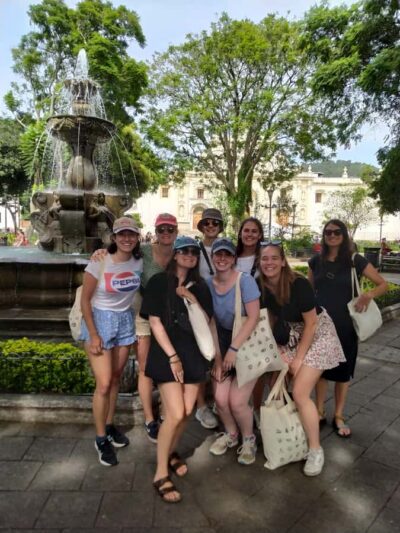
- Antigua Cultural Walking Tour
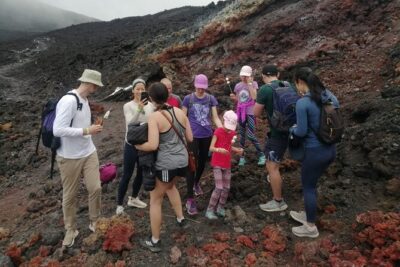
★ 4.5 · 725 reviews - Hike to Pacaya Volcano from Antigua
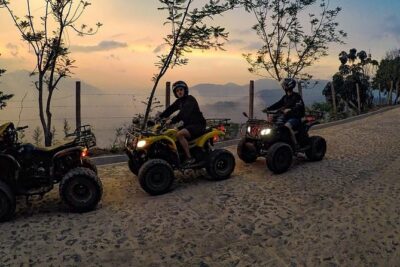
★ 4.5 · 502 reviews - Antigua ATV Sunset Tour
★ 5.0 · 488 reviews
Learning what bean-to-bar really means
Bean-to-bar chocolate is not simply a label for fancy packaging. It describes attention to the cacao from the seed through the finished chocolate. This workshop uses that idea as a guide, helping you connect the final taste with where the cacao came from and how it was toasted.
That connection is the heart of the session. Many people eat chocolate by focusing on sweetness, milk, nuts, or fillings. Here, you are encouraged to notice the cacao itself. The source of the seeds and the toasting process can change the flavor, so four samples become a small lesson in how chocolate is made.
You should not expect a professional certification course in 90 minutes. You will not leave knowing every technical detail of production. What you do get is a useful framework: taste carefully, compare samples, and pay attention to the differences created before the chocolate reaches the bar.
I like this approach because it gives the tasting a purpose. You are not merely eating four pieces in quick succession. You are using contrast to understand why Guatemalan chocolate can taste different from one sample to another.
Preparing the traditional Mayan cacao beverage
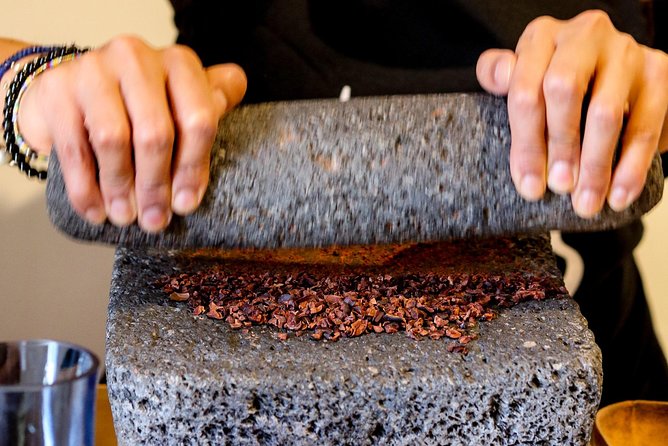
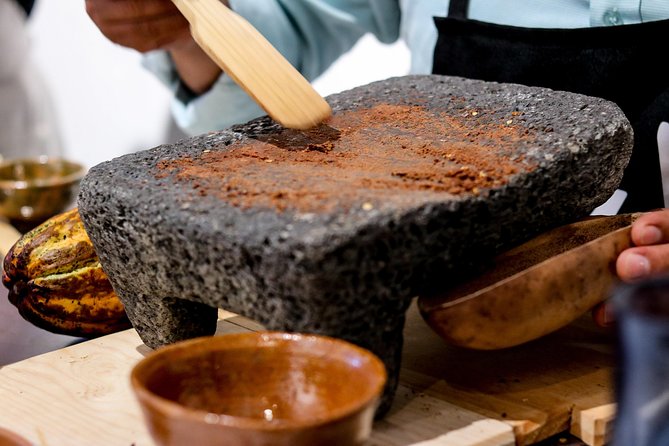
The most distinctive part is the preparation of a real Mayan cacao sacred drink. This takes the experience beyond a standard chocolate tasting and connects cacao with an older cultural practice.
The wording matters here. You are learning how to prepare the beverage, not just receiving a cup from someone else. That hands-on element gives the drink more meaning. You see cacao as something prepared and shared, rather than only a finished product bought in a shop.
The drink is also a reminder that cacao has a life beyond candy. Its cultural role is tied to ceremony and tradition, and the workshop presents it as a sacred Mayan beverage. The experience does not promise a long historical lecture, so you should expect an introduction rather than a full study of Mayan cacao customs.
Still, this is likely to be the part you remember most. The four chocolates teach your palate, while the drink gives the session a cultural center. If you are interested in food as a way to understand place, this makes the $75 fee easier to justify.
Tasting four Guatemalan chocolates side by side
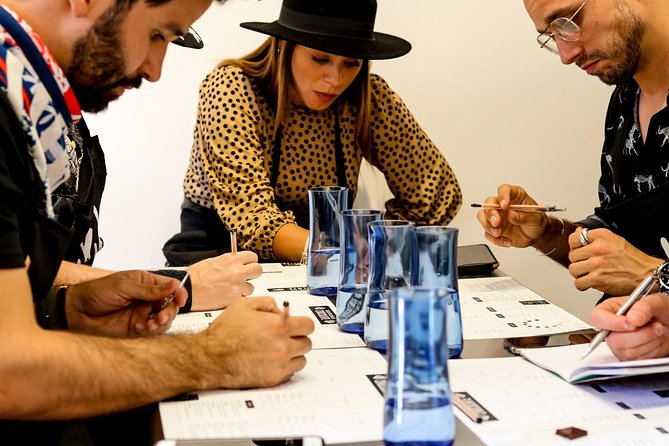
The tasting includes four kinds of high-quality Guatemalan chocolate. The useful point is not simply that there are four flavors. Each one is tied to the place where the cacao seeds originated and to the way those seeds were toasted.
That gives you a simple comparison to follow. Taste one sample, note what you notice, then compare it with the next. The guide can help you think about how the flavor changes, though the supplied details do not identify the exact cacao regions or chocolate styles included.
You may find that one sample seems softer, deeper, more bitter, or more fragrant than another. Those differences are part of the lesson. You are not being asked to pick a single winner. You are learning that chocolate has its own version of place and process.
The tasting is best approached slowly. If you rush through four samples, they can blur together. Give each one a moment, listen to the explanation, and notice how your preferences change. I would avoid eating a large dessert immediately before the session, since a very full palate can make subtle differences harder to detect.
The phrase professional taster does not mean you need prior experience. It means you are shown how to pay closer attention. You can arrive knowing little about chocolate and still take part fully.
Still Antigua, but a completely different kind of day:
- Authentic Guatemalan Cooking Class in Antigua
★ 5.0 · 438 reviews - Antigua ATV Coffee Tour
★ 5.0 · 380 reviews - Carve your own jade piece in Antigua!
★ 5.0 · 371 reviews - Antigua ATV Mountain Adventure
★ 5.0 · 358 reviews
Why the private format matters
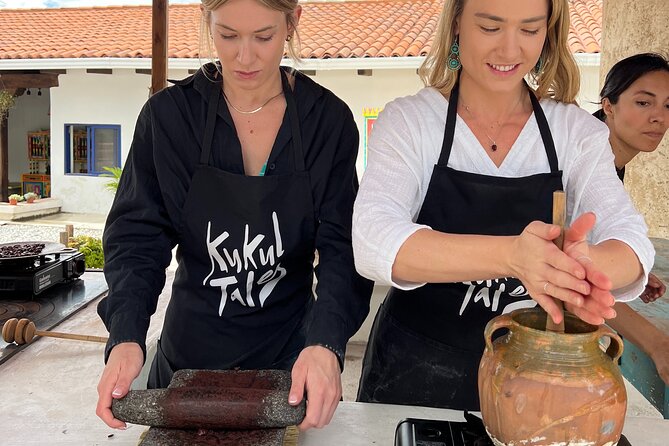
This is a private activity, so only your group participates. That is a major advantage for a workshop built around questions, tasting, and preparation.
In a large group, food demonstrations can become passive. You stand at the back, hear fragments of the explanation, and wait for your turn. A private session offers a better chance to ask why one chocolate tastes different from another or to request clarification about the cacao drink.
The private format can also suit mixed groups. One person may be fascinated by chocolate production, while another cares more about Mayan tradition or simply wants to try local flavors. A guide can respond to those different interests more easily when the group is small and self-contained.
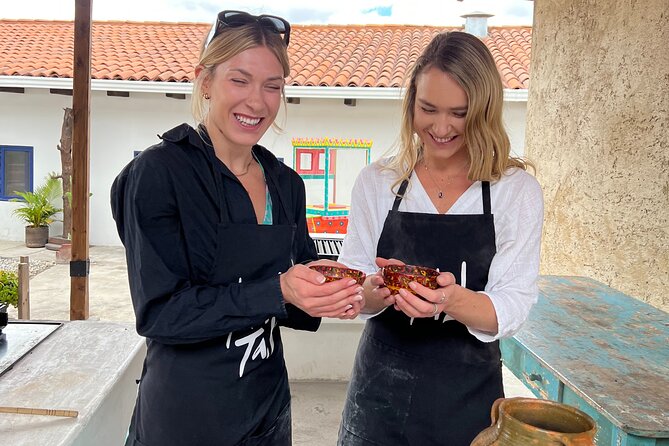
The available feedback gives the guides strong praise for friendliness and for making the session enjoyable. That is important because a tasting can feel stiff if the instructor treats it like an exam. Here, the tone appears more welcoming. You should still remember that no specific guide names are provided, so you cannot request a named instructor based on this information.
Friendly instruction without a long classroom lecture
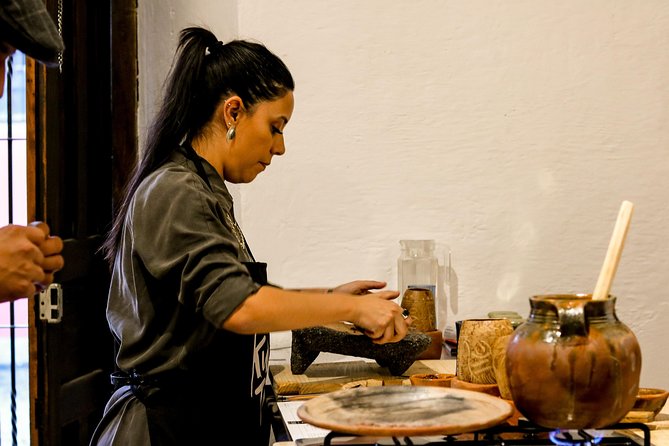
The best food workshops balance explanation with action. This one appears designed to do that through preparation and tasting rather than through a long talk.
You learn the traditional drink, then work through four chocolates. Those activities give the guides natural moments to explain cacao origin, roasting, and flavor. The result should feel more like a conversation around food than a formal class.
That does not mean every question is answered in the available details. You are not promised a farm visit, a factory tour, a tour of cacao plantations, or a complete chocolate-making session from raw seed to packaged bar. Keep your expectations in the right place. This is a compact educational tasting in Antigua.
The friendly approach is especially helpful if you are traveling with children or with people who do not usually attend food workshops. The activity is not described with an age requirement, so families should confirm any age concerns before booking. The important point is that the session is presented as approachable, not as something reserved for chocolate experts.
Is $75 per person fair?
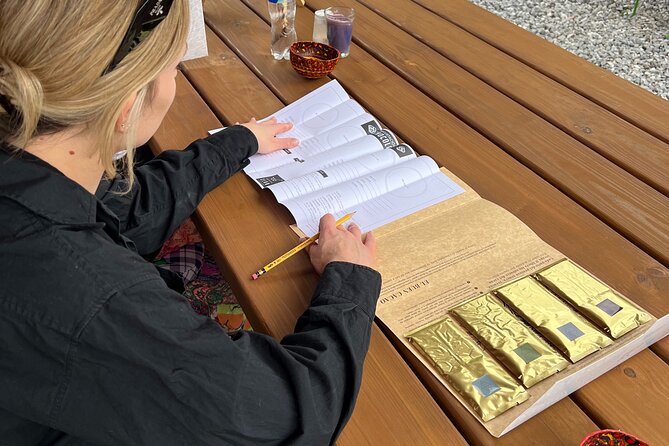
At $75 per person, this is not an inexpensive snack stop. The price needs to be judged against what you receive: a private 90-minute experience, instruction in preparing a Mayan cacao drink, and a guided tasting of four Guatemalan chocolates.
If you only want to buy a bar and try it on your hotel balcony, the fee will feel high. You are paying for the setting, the guide, the cultural explanation, and the chance to taste several products in a planned comparison.
The private format strengthens the value for couples, families, and small groups who want time with the guide. It is less compelling for a solo visitor on a tight budget, unless cacao is a top interest. For a group already planning several paid activities in Antigua, this is a short add-on with a clear local focus.
I would also compare it with your own priorities. A cooking class with a full meal may offer more food for the money. A museum may offer more historical detail. This workshop gives you something more specific: a close look at Guatemalan cacao and a drink connected to Mayan tradition.
That is a fair trade if you enjoy tasting carefully and learning how a local product is made. It is not the right choice if you expect a large meal, a long tour, or a full factory visit.
Fitting the 90-minute session into your day
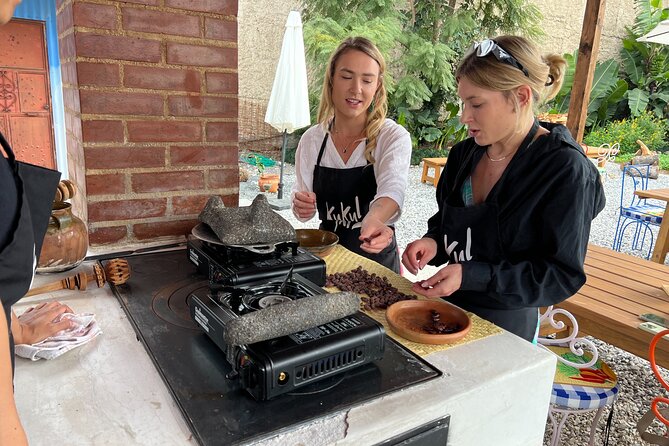
The approximate duration is one hour and 30 minutes. That is long enough to feel substantial but short enough to combine with other plans in Antigua.
You could schedule it before lunch, after a morning walk, or in the afternoon after sightseeing. Since the activity returns to Iglesia de la Merced, you can continue your day from the same general area rather than spending extra time arranging transport.
The stated meeting point is the start and finish, and no transportation is included in the supplied details. That means you should plan your own way to Iglesia de la Merced. The experience is offered in English, so English-speaking visitors can follow the instruction without needing an interpreter.
Confirmation is sent within 48 hours of booking, subject to availability. Because the activity is often booked about 36 days ahead, I would not leave it until the last minute if your dates are fixed. That advance-booking pattern suggests that the private time slots can fill, even though the session itself is short.
Weather and cancellation planning
The activity requires good weather. If poor weather causes a cancellation, you are offered another date or a full refund.
You can cancel for a full refund up to 24 hours before the start time. Any cancellation or change made less than 24 hours before the activity is not refunded or accepted. The cutoff follows local time in Guatemala.
This is a simple policy, but it affects how you schedule the session. Do not place it at the end of a tightly packed trip if a weather change would leave you no room for another date. Booking earlier in your Antigua stay gives you a little more flexibility.
The available information does not describe an indoor backup plan, so you should treat the weather requirement seriously. Ask the provider if conditions look uncertain.
Who will enjoy this experience most?
I would recommend this workshop to you if you enjoy food with a cultural story attached. It suits couples, families, and small private groups who want an activity that is relaxed, local, and easy to fit into a sightseeing day.
It is also a good match for chocolate lovers who want to move beyond generic commercial bars. The comparison of four Guatemalan chocolates gives you a practical way to notice differences in origin and roasting, even if you have never attended a tasting before.
You may want to skip it if you are looking for a full meal, a long historical tour, or a hands-on production class that covers every stage of chocolate making. The session is focused and brief. Its strength is concentration, not scale.
Should you book the cacao workshop?
Book it if the combination of Mayan tradition, Guatemalan chocolate, and private instruction sounds more appealing than another ordinary sightseeing stop. I especially like the balance between the sacred cacao drink and the four-part tasting. One gives the experience cultural meaning, while the other gives you something concrete to compare.
At $75, it is best for people who value a guided food experience rather than quantity. Book at least several weeks ahead if possible, arrive ready to taste slowly, and keep your schedule flexible enough to handle the weather policy.
If those conditions fit your trip, this is a smart, focused way to spend 90 minutes in Antigua. If you only want a sweet treat, buy chocolate elsewhere and save your money.
FAQ
Where does the cacao experience begin?
It begins at Iglesia de la Merced, at H768+G89 and 1a Calle Poniente in Antigua Guatemala.
Where does the experience end?
The activity ends back at the meeting point at Iglesia de la Merced.
How long does the experience last?
It lasts approximately one hour and 30 minutes.
What language is the experience offered in?
The experience is offered in English.
Is this a private activity?
Yes. Only your group participates in the activity.
How many kinds of chocolate will I taste?
You will taste four different kinds of high-quality Guatemalan chocolate.
Can I cancel for a full refund?
Yes. You can cancel at least 24 hours before the start time for a full refund. Cancellations made less than 24 hours before the experience are not refunded.
Just added around Antigua
- The old UNESCO★ 5.0 · 3 reviews
- Lake Atitlan★ 5.0 · 2 reviews
- Walking Tour Antigua, an open Museum★ 5.0 · 4 reviews
- Worry Doll Workshop with Doña Rosa★ 4.5 · 2 reviews
- Private Day Tour of Magic and Nature in Cascades of Urlanta★ 4.5 · 2 reviews
- Village Tour in Antigua Guatemala★ 5.0 · 4 reviews
- Volcan Pacaya on wheels ATV From Antigua or Guatemala city.★ 5.0 · 4 reviews
- Private Transfers in Guatemala★ 3.5 · 3 reviews
Antigua Guatemala Tours, compared.
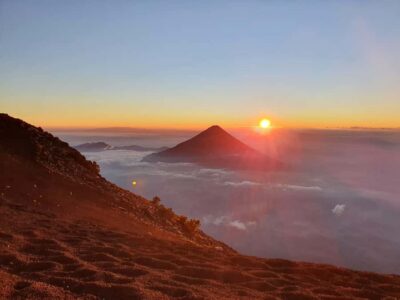
Adventure, 2-Day Hiking to Acatenango Volcano
Read our review →
Browse the lists this tour appears in