
Review · COFFEE EXPERIENCES
Coffee Tour in Sacatepéquez with Tasting
Coffee tells a better story when you meet the farmer. This three-hour experience from Antigua takes you to Ciudad Vieja, where Baudilio and his family show how coffee is grown, harvested, processed, roasted, ground, and brewed. I especially like the family-run setting and the chance to compare the same beans prepared in different ways. The main consideration is that pickup details may need confirming, since one outing involved a changed meeting point and a stressful lack of signage.
The tour costs $55 per person, a fair price if you want more than a quick plantation walk. You get time on an actual working farm, direct conversation with the grower, a tasting at the family home, and a snack prepared by Baudilio’s wife, Anna. It is less polished than a large commercial coffee attraction, but that is part of its appeal.
In This Review
- Key points to know before booking
- Why this coffee tour feels different
- Visiting the farm in Ciudad Vieja
- From coffee plant to finished bean
- Tasting coffee at the family home
- How the family hosts shape the experience
- Price, timing, and group size
- Transportation and meeting-point advice
- What to bring and how to prepare
- The main drawbacks to consider
- Who will enjoy this experience most
- Should you book the Ciudad Vieja coffee tour?
- FAQ
- How much does the coffee tour cost?
- How long does the experience last?
- What time does the tour begin?
- Where does the coffee tour take place?
- How many people can join the tour?
- What happens if bad weather cancels the tour?
Key points to know before booking
- Ciudad Vieja is the working heart of the tour: You see coffee plants and learn how the farmer cares for them day by day.
- Baudilio and Anna run the experience themselves: The people guiding you are directly involved in growing, processing, roasting, and preparing the coffee.
- The tasting compares brewing methods: The same beans can taste quite different depending on how they are prepared.
- The experience lasts about three hours: It begins at 9:00 am and combines the farm visit with time at the family home.
- It is a small-scale, personal alternative: The maximum group size is 20, though the family-farm format feels more intimate than a large plantation tour.
- Bring cash if you want coffee to take home: Coffee is sold after the tasting, according to the practical advice shared by past participants.
Why this coffee tour feels different
Antigua is surrounded by coffee country, but many plantation outings focus on scenery, machinery, and a polished explanation. This experience puts the farmer at the center. You are not simply shown a finished bag of beans. You are introduced to the work behind it.
Baudilio explains how coffee plants are treated, what fertilizers are used, and how the crops are cared for. That may sound basic, but it gives you a clearer idea of how much attention a coffee plant requires before a bean reaches a roaster.
You also get a look at the family side of farming. The tour explains how the coffee grower manages the crop, harvests it, processes it, and works to bring it from the field to your cup. That direct connection gives the tasting more meaning. The coffee is not an anonymous product. You have just heard about the labor behind it.
I also like that the experience includes the realities of farming. The family explains the problems facing coffee growers, including the effect of climate change on coffee plants and farming households. You are left with a more honest picture than the usual coffee souvenir story.
More coffee farm tours around Antigua:
- Antigua ATV Coffee Tour
★ 5.0 · 380 reviews - Coffee and Gastronomic Bike Tour in Antigua
★ 5.0 · 284 reviews - Coffee Tour Adventure Antigua Guatemala
★ 5.0 · 121 reviews
Visiting the farm in Ciudad Vieja
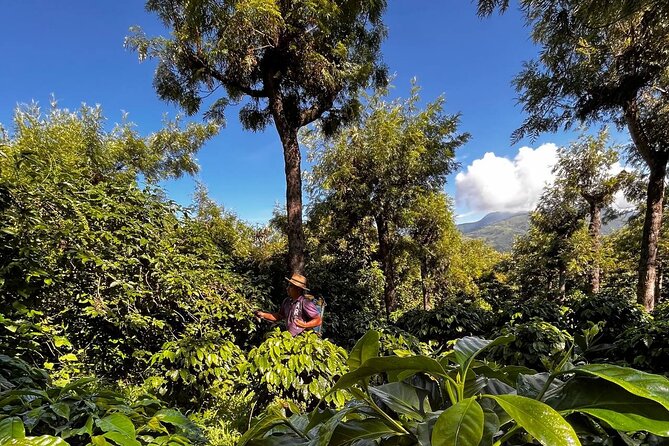
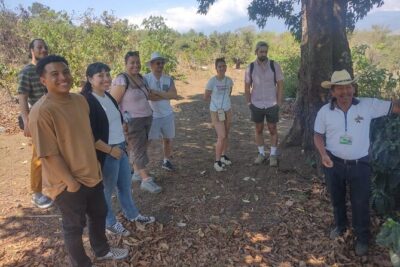
The first part takes place in Ciudad Vieja, a town in Sacatepéquez near Antigua. Here, you see part of the coffee crop and learn how the local area has changed over time. The focus is not only on plants, but also on the farmer’s daily routine and the effort required to maintain a plantation.
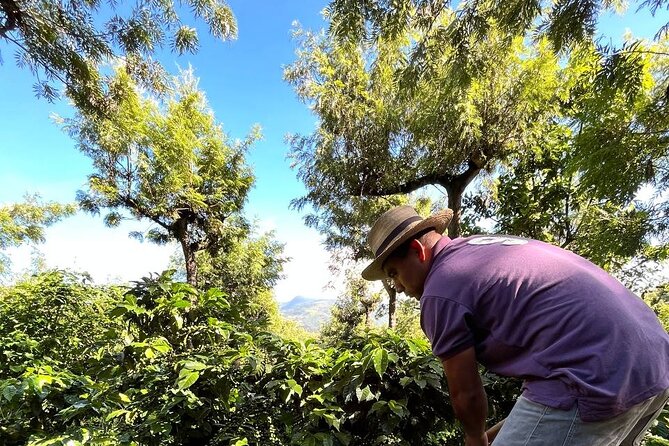
Expect practical explanations rather than a formal lecture. You learn how coffee plants are cared for, how they are watered, and how fertilizers fit into the process. One especially memorable detail is that the plants may be hand-watered, a small fact that makes the work feel much more physical and personal.
Depending on the season and the conditions, you may have the chance to pick coffee beans. That simple act helps explain the difference between looking at a plantation and taking part in its work. Coffee farming is not a quick process, and the visit makes that clear.
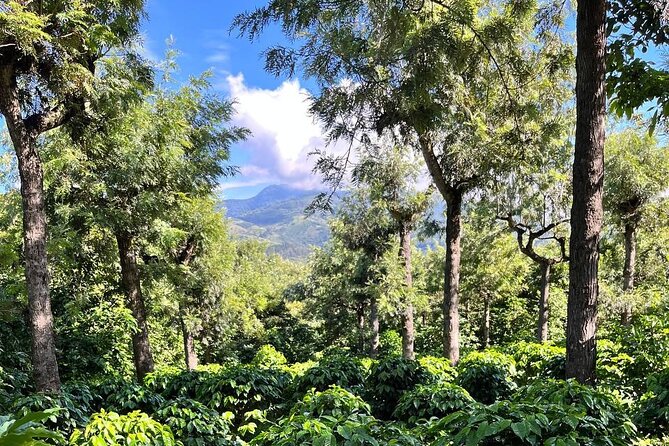
The setting is described as a lush coffee plantation, but this is still a working farm. Do not expect a museum-style attraction with a long row of signs and staged displays. You are there to see how a family operates its farm and to ask questions directly.
That approach suits me. I would rather hear a farmer explain the crop in plain terms than walk past expensive equipment without understanding who does the work. Still, if you want grand views, a large estate, or a highly produced presentation, this may feel modest.
From coffee plant to finished bean
A strong part of the experience is the explanation of what happens after picking. Baudilio covers the path from harvesting to processing, then on to roasting, grinding, and brewing. You begin to see why coffee flavor depends on many stages, not just the region where the plant grows.
The tour also introduces different coffee varieties and the way growing conditions affect taste. You may learn about regional differences within Guatemala and how the environment changes the character of the finished drink.
This is useful even if you already drink specialty coffee. Coffee labels often mention altitude, region, variety, or processing method, but those terms can remain vague. A direct explanation from the person producing the beans makes them easier to understand.
The family handles much of the work themselves. That includes picking, processing, roasting, and preparing the coffee. You can ask about the choices made at each point, which gives the tour a practical edge that a standard tasting often lacks.
Do not expect a technical coffee certification course. The value is the farmer’s experience and the chance to follow the entire chain in one place. You learn enough to taste with more attention without being buried under jargon.
Tasting coffee at the family home
After the farm visit, the experience continues at the family home. This change of setting matters. Instead of ending with a quick cup near the crop, you sit down with the people who grow and prepare the coffee.
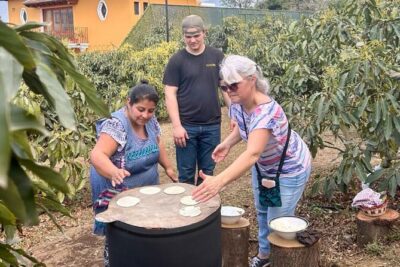
Baudilio leads the tasting, and Anna prepares a snack. Beans and tortillas are among the foods mentioned, adding a local touch to the coffee lesson. The food is not presented as a full meal, so plan accordingly if you need lunch later.
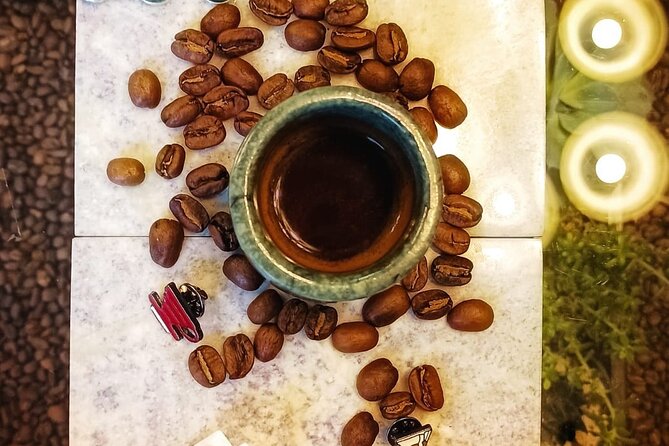
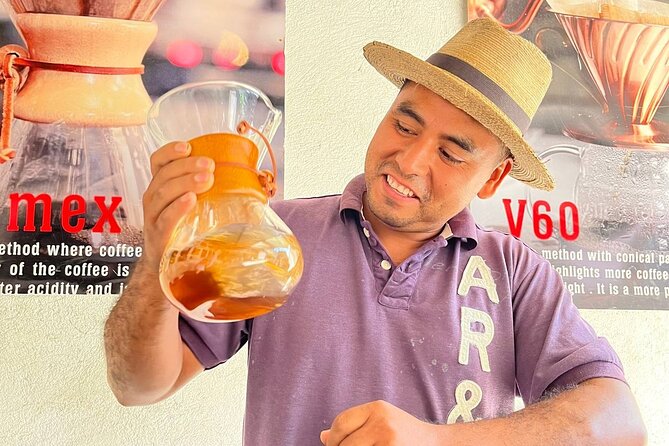
The tasting compares coffee made through different brewing methods. This is one of the strongest parts of the experience because you can taste the difference for yourself. The same beans can produce different flavors depending on how they are brewed.
That lesson is easy to remember. You do not need to take anyone’s word for it. One cup may seem brighter, fuller, smoother, or more intense than another, even though the beans are the same. For coffee drinkers, this is a useful way to understand why brewing equipment and technique matter.
The hosts take time to explain the roasting and brewing process, and Baudilio speaks English well enough to guide English-speaking participants. His warm manner is another reason the home tasting works. It feels like a conversation with a farming family, not a sales pitch with a scripted ending.
If you enjoy coffee, this is the part you are most likely to remember. The farm explains the work. The tasting lets you notice the result.
More food tours in Antigua:
- Street Food Evening Tour in Antigua
★ 4.5 · 215 reviews - Street Food Tour Around Antigua
★ 5.0 · 67 reviews - Foodie & Street Food Tour in Antigua
★ 5.0 · 56 reviews - Market food tour and tortilla workshop
★ 5.0 · 21 reviews
How the family hosts shape the experience
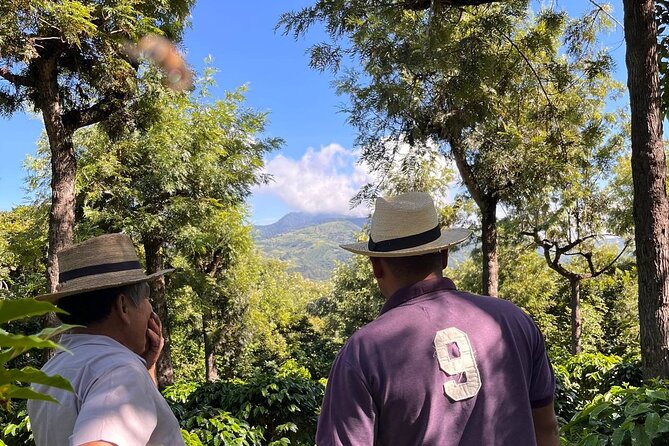
Baudilio is both farmer and guide. That combination gives him authority on the subject without making the tour feel stiff. He can explain the coffee plant, the farm’s operation, and the steps that follow harvest because he is involved in the work himself.
Anna adds another personal layer to the visit. Her snack and participation help turn the experience into a family welcome rather than a simple agricultural demonstration.
The family’s involvement is also why the tour feels different from a larger commercial plantation visit. You see a small operation where family members share the work and the business. That makes the experience more personal, though it also means the pace and presentation may be less uniform.
I would choose this tour if I wanted to support a small farm and learn how a coffee-growing household makes its living. I would choose a bigger plantation instead if I wanted a more formal facility, more machinery, or a polished visitor center.
Price, timing, and group size
At $55 per person, the tour sits in a reasonable range for a three-hour experience that includes transportation arrangements, a farm visit, a guided tasting, and a snack. The value depends on your interest. If you only want to drink good coffee, you can spend less in Antigua. If you want to understand how the drink reaches your cup, the price makes more sense.
The start time is 9:00 am, and the activity lasts about three hours. A morning departure is useful because it leaves much of the afternoon free for Antigua. You can pair it with lunch in town, a museum, or a walk through the historic center.
The maximum group size is 20. That is not a tiny private tour, so the experience could feel less personal if it fills completely. The family setting and direct access to Baudilio help, but you should not assume you will receive an entirely private lesson.
The tour is generally booked about eight days ahead. If your schedule is fixed, booking early is sensible, especially if you are visiting during a busy period.
Transportation and meeting-point advice
Transportation is one area where I would pay close attention. Several accounts describe pickup near or at the hotel, with one especially memorable ride in the back of a truck. That ride may feel like part of the local character, but it is not the same as a standard air-conditioned transfer.
There has also been at least one problem involving a canceled pickup, a new departure point at a park, and no clear signs. That does not erase the value of the farm visit, but it does show why you should confirm the meeting place and pickup plan before the morning of the tour.
If the operator gives you a park or alternate meeting point, ask for a precise landmark and the vehicle description. Do not rely on finding a tour sign. The experience provider is Colonial Travel Agency, but the farm portion is led by the family itself.
The tour is near public transportation, and service animals are allowed. You should have a moderate level of physical fitness. The available information does not give a detailed accessibility assessment, so ask the operator about walking surfaces or other specific needs before booking.
What to bring and how to prepare
Wear practical clothes and shoes suitable for a farm visit. The tour involves seeing crops and learning about their care, so you should be comfortable walking around an agricultural property.
Bring water and consider carrying cash. Coffee is available to buy after the tasting, and cash is specifically useful for taking home the beans you sample.
Come ready to taste rather than simply drink. Pay attention to how the aroma, body, acidity, and finish change between brewing methods. You do not need specialist vocabulary. A simple note about which cup you prefer is enough.
I would also leave room in your luggage for coffee. Buying directly from the family gives you a useful souvenir and supports the small farm you have just visited.
The main drawbacks to consider
The tour’s greatest strength, its small family setting, can also create a few limits. The presentation may depend on the day, the group, weather, and the farm’s normal work. This is not a staged attraction built around perfect timing.
Pickup communication deserves care. Most of the available experiences describe convenient transportation, but the reported meeting-point problem is worth taking seriously. Confirm the details rather than assuming everything will be obvious.
The three-hour duration is enough for an introduction, but not enough to cover every part of coffee production in great technical depth. You will get a broad look at the process, a farm visit, and a tasting. Serious coffee professionals may want a longer or more specialized course.
Finally, the experience requires good weather and a minimum number of participants. If poor weather cancels it, you are offered another date or a full refund. If the minimum group size is not reached, you are offered another date or experience, or a full refund.
The standard cancellation rule is strict. The $55 payment is non-refundable and cannot be changed for personal cancellation or amendment requests. Only the weather and minimum-group exceptions provide the stated refund options.
Who will enjoy this experience most
I would recommend this to coffee lovers, curious food-minded visitors, and anyone who prefers meeting working families over visiting a large commercial attraction. It is also a good choice for solo visitors because the hosts provide plenty of explanation and conversation.
Couples and families can enjoy it too, especially if everyone is willing to pay attention during the farm portion. The tasting gives the outing a clear reward at the end, while the chance to pick beans adds a hands-on moment.
You may want to skip it if coffee is not interesting to you or if you need a perfectly predictable, highly polished tour. The farm is the point, and the farm may require a little flexibility.
Should you book the Ciudad Vieja coffee tour?
Book it if you want to understand the human work behind Guatemalan coffee. The combination of a working family farm, direct instruction from Baudilio, Anna’s homemade snack, and a side-by-side brewing comparison gives the experience real substance.
I especially like that you can follow the coffee from plant care to cup. That makes the $55 price reasonable, provided you value personal contact and local production more than a grand plantation facility.
Before paying, confirm the exact pickup location, ask about the meeting vehicle, and check the weather. Bring cash for coffee purchases, wear shoes suited to a farm, and leave enough time afterward to enjoy Antigua.
FAQ
How much does the coffee tour cost?
The tour costs $55 per person.
How long does the experience last?
The experience lasts approximately three hours.
What time does the tour begin?
The stated start time is 9:00 am.
Where does the coffee tour take place?
The farm visit takes place in Ciudad Vieja, Sacatepéquez, near Antigua, Guatemala. The tasting continues at the family home.
How many people can join the tour?
The maximum group size is 20 people.
What happens if bad weather cancels the tour?
If poor weather causes a cancellation, you are offered a different date or a full refund. A different date, experience, or full refund is also offered if the minimum number of participants is not reached.
Just added around Antigua
- The old UNESCO★ 5.0 · 3 reviews
- Lake Atitlan★ 5.0 · 2 reviews
- Worry Doll Workshop with Doña Rosa★ 4.5 · 2 reviews
- Walking Tour Antigua, an open Museum★ 5.0 · 4 reviews
- Private Day Tour of Magic and Nature in Cascades of Urlanta★ 4.5 · 2 reviews
- Village Tour in Antigua Guatemala★ 5.0 · 4 reviews
- Volcan Pacaya on wheels ATV From Antigua or Guatemala city.★ 5.0 · 4 reviews
- Private Transfers in Guatemala★ 3.5 · 3 reviews
Coffee Experiences, compared.
Experience: Organic Coffee, Avocados, Honey & More!
Read our review →
San Salvador: Full Day Ruta de Las Flores and Coffee Farm
Read our review →

Browse the lists this tour appears in